Interview with Giovanni Ponchia about DOC Vini Colli Berici & Vicenza

Who are you and what is your position?

My name is Giovanni Ponchia and I’m the Director of Consorzio Tutela Vini Colli Berici e Vicenza.

Giovanni Ponchia

Can you tell us more about the wine region and what makes the area of the Consorzio Colli Berici unique?

The DOC Colli Berici was establish in 1973 and is located in the heart of the Veneto region, in the province of Vicenza. It’s a unique area because it preserves its natural environment more than its sourrondings, it has a centuries-old vine growing tradition and its famous for being the land of the beautiful Palladian Villas. Geologically, the soils are made of limestone rocks, while the climate is much drier than in the rest of the region, with less than half the rainfall of northern Veneto.

How would you describe the wines from the area (grapes, blends, vinification methods etc)

Monovarietal productions are very frequent, that is based on a single grape variety, such as merlot, cabernet sauvignon, tai rosso and carmenère among red grapes, garganega, pinot bianco and incrocio manzoni among white grapes. Alcohol contents are quite high (without the aid of appassimento), as are structure and body. Classic white or red vinifications are made with temperature control and, for the reds, long macerations and frequent use of delestage. For the reds, maturation in small wood barrels is common, except for tai rosso, for which concrete or steel tank is preferred.

Overview of the vineyards

What is Consorzio Colli Berici’s sales top 5 countries?

Italy, Switzerland, Germany, the Netherlands and Russia

What are recent developments within the wine region that you would like to tell us about?

A steady increase in organic farms, the rediscovery of the pergola as an antidote to climate change, a slow but constant expansion of ‘resistant’ vine varieties.

For the next 5 years, what are the objectives for Consorzio Colli Berici for its members when it comes to brand awareness, etc?

Vineyards in Colli Berici
  • Lead producers to convey more the name of the territory than the name of the grape variety, also through the wines Colli Berici Rosso and Colli Berici Bianco (blends of several varieties).
  • Focus on grape varieties suited to the geo-climatic conditions.
  • Increase presence in foreign magazines and fairs.

What makes you happy in a professional way in your role?

It makes me happy to see the satisfaction of each individual producer. Even when I go into some associated winery and find it without wine (because they have sold it all) I feel quite happy 😊

Thanks you so much Giovanni, pleasure was all mine!

Schitterende Nederlandse bubbels uit Flevoland

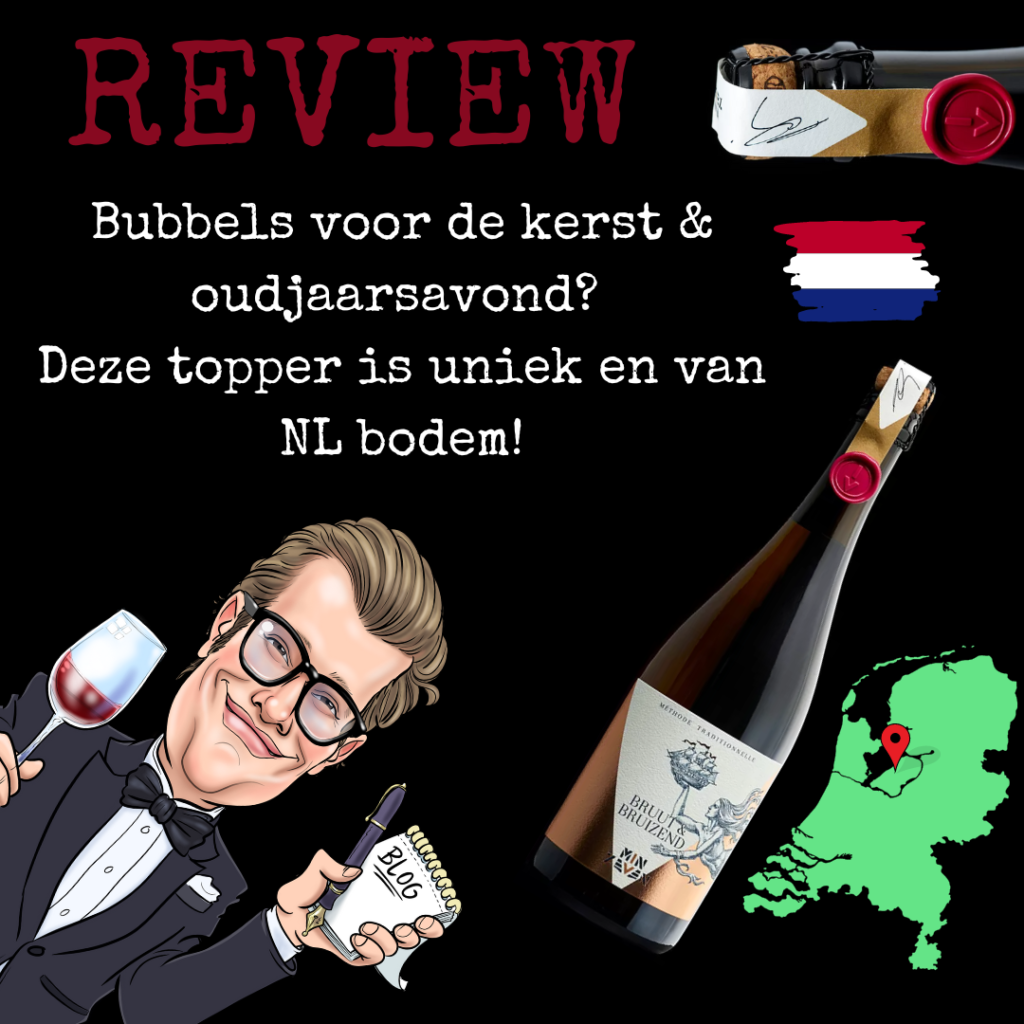
Handwerk, eigenzinnig, perfectionistisch en puur van Nederlandse bodem. Dat is wat je aantreft in iedere slok van de ‘Methode Traditionnelle’ Bruut & Bruizend brons 2020.

Vorig jaar trof ik Silvia Anthonj voor het eerst, als mede jurylid tijdens een wijncompetitie in Amsterdam. Op haar naambordje stond een Duitse vlag. Dat vergt wat uitleg…..Jaren lang bracht Silvia onder haar pseudoniem Cordula Eich de de Supermarktwijngids van Duitsland uit. 

Om persoonlijke redenen en vanuit haar passie voor wijn en leergierigheid besloot Silvia (uiteraard met een doordacht plan) enkele jaren geleden te beginnen met een wijngaard op de drooggelegde Flevopolder.

In totaal gaat het om een omvang van slechts een halve hectare met ruim 1.500 druivelaars, welke goed zijn voor een productie van ongeveer 2.000 flessen. Handwerk van begin tot eind, met een onuitputbare enthousiasme en vonkeling in haar ogen vertelt zij mij over haar wijnen. De naam MIN ZEVEN is afkomstig van de ligging van de wijngaard, 7 meter onder de zeespiegel. Waar ooit het zoute zeewater regeerde staan nu de druiven aangeplant, geweldig!

De druiven

De wijnbouw in Nederland is grofweg in te delen in twee stromingen. In Zuid-Limburg heeft men veel ‘klassiekers’ aangeplant zoals Chardonnay, Pinot Noir en Pinot Gris. In hoger gelegen delen van Nederland is het microklimaat en de bodem niet altijd optimaal geschikt voor deze druivensoorten. Vanuit kweek instellingen in met name Duitsland wordt veel werk verzet zowel hedendaags als in het verleden om druiven te kweken welke beter, goed en zelfs uitstekend bestand zijn tegen het Nederlandse klimaat, minder kans hebben op ziektes en vooral minder uren zon en warmte nodig hebben op goed te rijpen. Dergelijke druiven zijn vaak kruisingen van klassiekers en op het doorgepompte oostelijk Flevoland (1957) komen deze ‘hybride’ of moderne soorten fantastisch tot zijn recht en worden er hele mooie wijnen meegemaakt. In de cepages van Bruut&Bruizend zitten de volgende druiven;

 Hibernal (wit)

Historisch afkomstig uit een grillige tijd, gecultiveerd in 1944 in Geisenheim Grape Breeding Institute. De ‘ouders’ van deze druif zijn Chancellor (een hybride blauwe druif) en een kloon van de Riesling. De Hinernal is winterhard en goed resistent tegen diverse schimmels. De druif beschikt over gemiddeld tot hoog zuur en geeft in de basis aroma’s af van tropisch fruit en een bittertje van een jonge grapefruit.

Sauvignac (wit)

Relatief nieuw, gecultiveerd in 1991 in Zwitserland door de Sauvignon Blanc te kruizen met de Riesling en een onbekend resistent ras. Tamelijk hoge zuurgraad met aroma kenmerken van zowel Sauvignon Blanc en Riesling zoals frisse citroen, limoen, abrikoos en een groen appeltje.

Souvignier gris (wit)

Een iets wat bekendere hybride welke de oorsprong vind in de kruising van de Cabernet Sauvignon en de minder bekende druif de Bronner. De druif geeft veel frisheid, gemiddelde zuren en aroma’s van bloemen, tikje kruidigheid, peren en citrusfruit.

Brons, Zilver & Goud

Haar jaarproductie druiven zet ze in om drie verschillende mousserende wijnen te produceren. Goud welke nog lekker ligt te rijpen in Lelystad, Zilver met >30+ maanden flesrijping en de Bronzen variant welke na 12 maanden op het vat gegist te hebben nog een 15 maanden op fles rijpt. De wijnen zijn allemaal ongefilterd, ongezwaveld en zonder dosage toevoeging.

Van Silvia ontving ik de Bronzen variant en wat is dit een feestje in het glas zeg!

Doordat deze wijn pas gebotteld is verwacht je al snel een wat ingetogen, gesloten wijn. Maar geen zenuwachtig gedoe hier of schokkende agressie in het glas.

Mooie gelijkmatig verdeelde bubbels geven een frisse mousse met subtiele tonen van vers brooddeeg. Verse limoen afgewisseld met citroen schil, vol en romig in de mond met een fenomenaal balans tussen de aanwezige zuren, iets wat steenfruit en toch een tikje zilt, of is dat de mind fuck met in gedachten de woeste, zoute achterland van de Flevopolder….

Verrassend, uniek maar vooral kwaliteit ten top, wat een vlaggenschip voor de Nederlandse wijn, toekomstbestendig, modern met respect voor de traditionele rijpingsmethode en de oude ondergrond.

Bestel deze wijnen op Min Zeven | Nachhaltiger Weinanbau unter dem Meeresspiegel

First certified Premium canned wine and first canned De-alcoholised wines of South Africa

In the spring I already had contact with Steve van Rensburg of New World Wines about their range of canned wines.

In recent years, South Africa has turned out to be a true breeding ground for canned wines.

New World Wines has 2 brands – Chateau Del Rei and Uncanny.

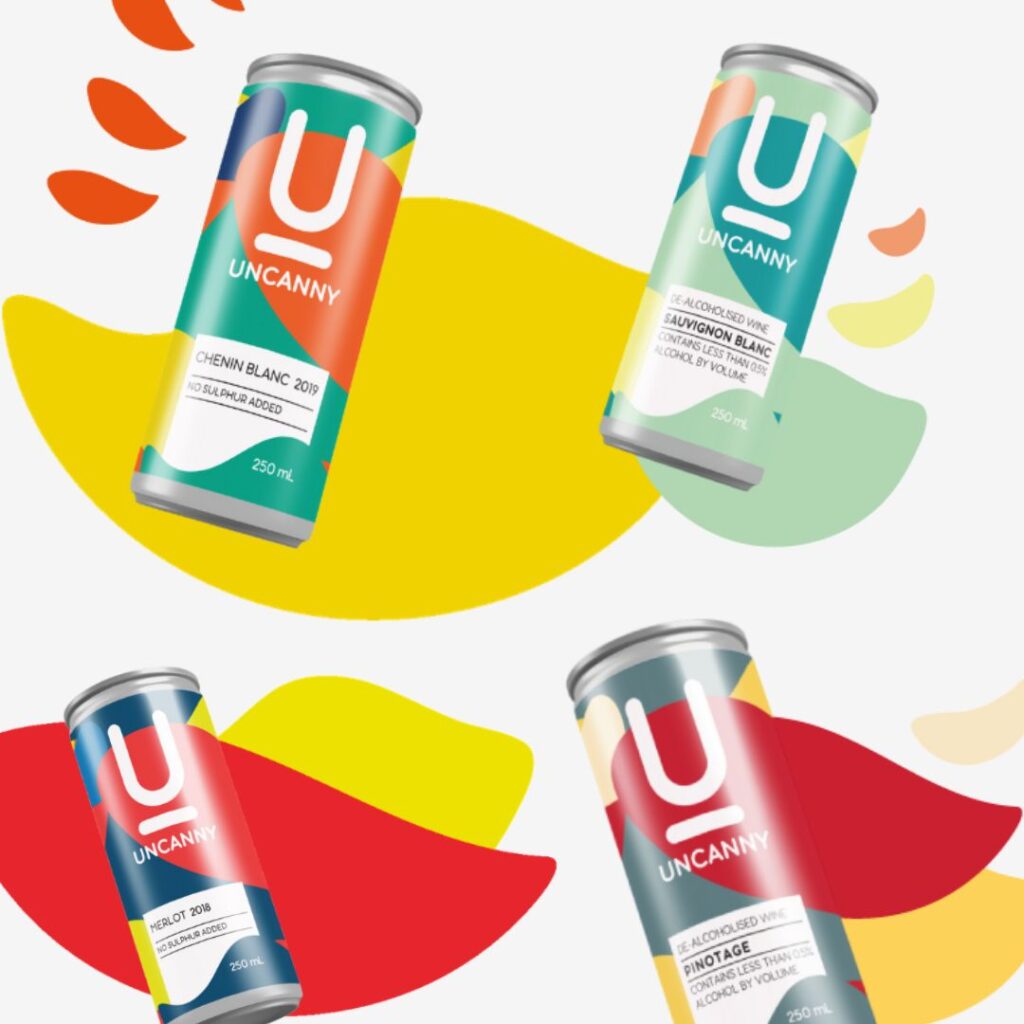
The first with a traditional appearance with sweet bubble wine. The second is a true millennial canned wine, sleek design, clear about the content and a nice variety of wine. In addition to a Merlot, Chenin Blanc and Sparklin Pinotage, there are two non-alcohol wines here. A Sauvignon Blanc and Pinotage. As usual, I put it to the test.

Were it all begin with Uncanny

Uncanny came to be as most good stories do – two good friends and a love for even better wine. As the South African lifestyle is synonymous with the outdoors – music festivals in a park, summer days next to the pool or braai fire, and a hike up a mountain. And South Africans also know real wine.

People who love great wine made by world class winemakers don’t have to compromise on quality for the convenience of canned wine.

As the brand was created in early-2018 with the aim of creating South Africa’s first certified and premium canned wine, they had there wine certified by the Wine and Spirit Board of South Africa (WSB). Which allowed them to declare cultivar, vintage and region under the Wine of Origin scheme. 

The grapes used in the wines are from iconic Swartland region (Chenin Blanc), and from Stellenbosch (Merlot) and no sulphur added too.

In 2020 they launched the first canned De-Alcoholised wines in South Africa. Only the best suited wines were selected based on the profile we ultimately wanted in our exciting and guilt-free wine range. The alcohol was removed from the wines before being expertly crafted to create products that taste strangely familiar…it’s Uncanny!

The de-alcoholised wine range consists of a fresh and crisp Sauvignon Blanc, and a rich and fruity Pinotage.

Chenin Blanc

The Uncanny No Sulphur Added Chenin Blanc 2019 carries a burst of vibrant energy as citrus and honeysuckle meet you on the nose. The rich mid-palate carries a mouth-filling creaminess that lingers with summer apricots – characteristics associated with great Chenin Blanc wines and fun-filled summer days! ⁠

Merlot

The Uncanny No Sulphur Added Merlot 2018 is a sensory feast! Mulberries and fynbos collide on the nose, with a rich fruit forward mid-palate balanced attractively with a dry finish. The aftertaste lingers with hints of dark chocolate, perfect for campfire hang-outs and romantic evenings under the stars.

de-alcoholised wine Sauvignon Blanc

The Uncanny De-Alcoholised Sauvignon Blanc is ready to be served ice cold and guilt-free! Carefully selected, premium Sauvignon Blanc was sourced, de-alcoholised and treated with the care it deserves to produce a fresh and crisp de-alcoholised Sauvignon Blanc.

de-alcoholised wine Pinotage

The Uncanny de-Alcoholised Pinotage is proudly South African and ready to be enjoyed guilt-free. Fruit-forward, oaked Pinotage was sourced, de-alcoholised and expertly crafted to produce a fruity and rich de-alcoholised Pinotage with subtle tannin

The Chateau Del Rei Sweet rosé

This low in alcohol sparkling rose is made from Muscat, Chenin Blanc and Ruby Cabernet grapes, with bursting aromas of red berries. The red fruit aromas from the Ruby Cabernet is fully supported by the lingering citrus, orange blossom and creamy textured Chenin Blanc and Muscat aromas. Alleviated by the zesty bubbles, this bright salmon coloured Rosé.

The Chateau Del Rei Sweet white

Made from Chenin Blanc and Muscat grapes, with aromas of peach, mango and litchi, backed by musky undertones. Good balance between sugar and acidity, with a refreshing finish.

BREE – design nu ook in een blikje

Bree WEIN, Duitse degelijkheid met een zeer strak design.

Misschien heb je de flessen wijn van Bree Wein wel eens in het winkelschap zien liggen. Strakke en modern ontwikkelde flessen – bijna parfumachtig – voorzien van minimalistisch lettertype, waarbij je meer doet denken aan een wedstijd voor industriële ontwerpers voor een modieus feestje van een high society clubje dan aan een wijnfles. Benoemwaardig is dat de fles bijna direct na de lancering de red dot design award ontving  – een felbegeerde prijs op designers gebied.

Design fles rosé

Zelf omschrijft Bree Wein dit alles als edgy, cool en minimalistisch, waar ik mij volledig in kan vinden. Wat de flessen wijn betreft is er een heel mooi gamma van Pinot Noir rosé, Chardonnay, Riesling, Gewurztraminer, Muskaat, Merlot en ook de noviteit Scheurebe (kruising tussen Sylvaner en de Riesling).

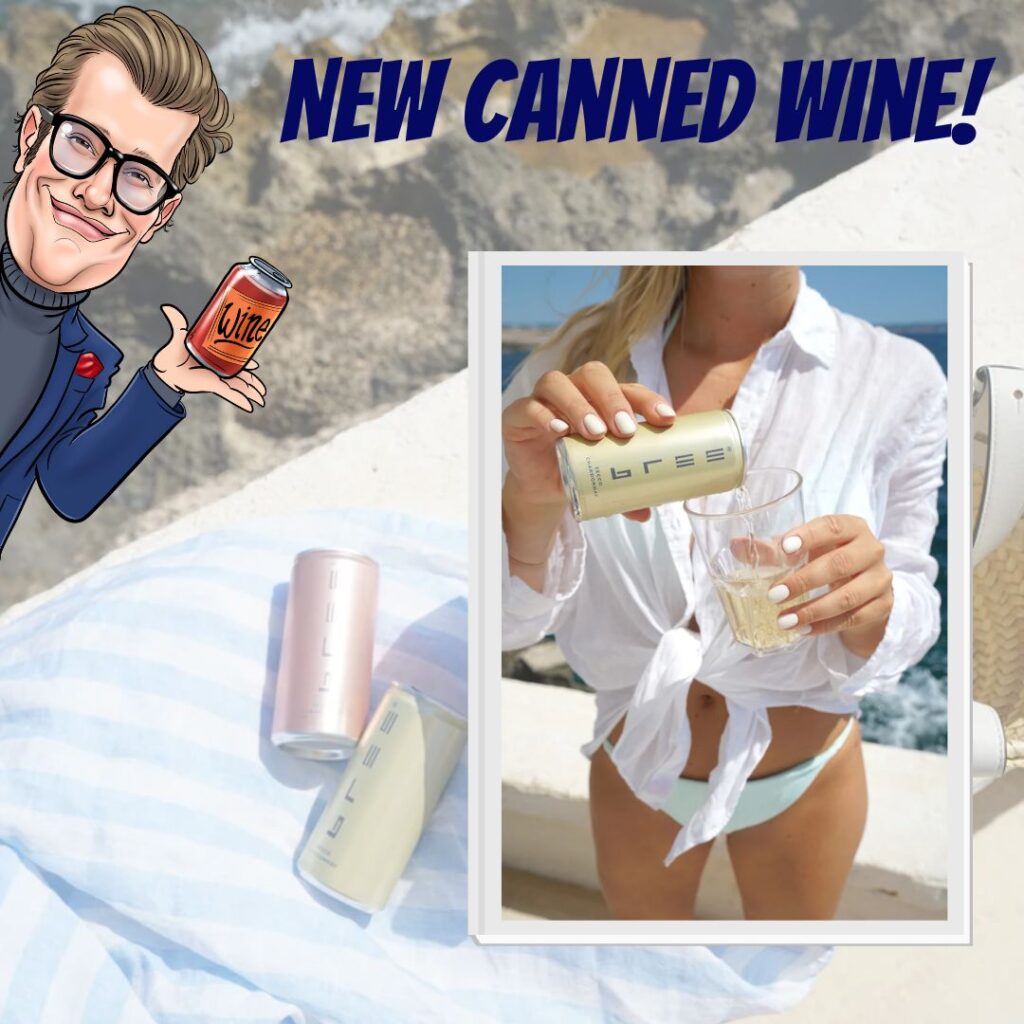
En nu is er weer een nieuwe telg toegevoegd aan de familie, eigenlijk twee! Een bruisende witte wijn gebaseerd op Chardonnay en een rosé van Syrah. Beide uitgevoerd in een 200ml blikje.

De proef op de som, hoe smaakt het!?

Zowel de witte als rosé bubbel zijn beide toegankelijk en zou ik allebei meenemen in de koelbox naar het strand. Beide zitten vol vers fruit en de belletjes vonkelen zacht, wanneer je het in het glas schenkt of direct uit het blikje drink. De Syrah rosé komt wat moeizaam op gang maar in smaak is duidelijk het kleine fruit is aanwezig zoals frambozen en aalbessen, ondanks dat de rosé de classificatie droog heeft, is het wel een tikje plakkerig.

De Chardonnay komt bij mij net wat mooier naar voren, net wat meer frisheid en aroma’s. Denk hierbij aan gele appels, peer en perzik met en zeer frisse afdronk. Heerlijk dorstlessend en precies wat je verwacht!

Cheers op een mooie nazomer!

Nacht van de Wijn 2022

Op 21 en 22 oktober wordt de derde editie van de Nacht van de Wijn gevierd in Utrecht! Wijncollega Janna is enorm enthousiast en kijkt uit naar de inmiddels 3e editie!

Janna Rijpma Meppelink

Geniet jij ook van muziek, eten, een lekker glaasje wijn en vooral heel veel gezelligheid? Kom dan zeker even langs bij de derde editie van de Nacht van de Wijn. Binnen de muren van Central Studios in Utrecht waan je je in een waar wijn-walhalla. Eentje waar je dus niet alleen kunt rondlopen en genieten van al het lekkers om je heen, maar ook nog eens wat kunt opsteken over het populaire druivensap. Bovendien kun je ook gemakkelijk ontdekken welke wijn bij jou past (of welke juist totaal niet). Ideaal!

De populairste druif van Nederland
Ook dit jaar is er weer een enorm aanbod aan wijnbarren met daarin honderden verschillende wijnen. Traditiegetrouw vindt tijdens de Zaterdag op de Nacht van de Wijn de uitreiking rondom de verkiezing van de populairste druif van Nederland plaats. Van welke druif wordt Nederland dit jaar wild? Breng nu alvast je stem uit via www.nachtvandewijn.nl en krijg €2,50 korting op je ticket.

Utrecht is jarig en dat vieren wij(n).
Dit jaar is Utrecht 9 eeuwen oud en ook dat wordt gevierd op de Nacht van de Wijn. Met Utrecht als vaste thuisbasis wordt de mijlpaal van de stad ook tijdens dit festival gevierd. Er staat extra Champagne koud om te proosten en Utrechtse artiesten zorgen er voor dat jij aan het einde van de avond nog een dansje mag wagen.  

Gastronomisch plein
Naast wijn proeven en wandelen langs een groot aantal barretjes, kun je op het gastronomische terras van de Nacht van de Wijn verschillende tapas en andere gerechten eten. Het plein voorziet in heerlijke happen, denk aan Italiaanse worsten, Franse kazen, Argentijnse empanadas en verse oesters. Dit is nog maar een kleine greep uit het ruime aanbod.

Tickets zijn te bestellen op www.nachtvandewijn.nl

De “Nacht van de Wijn” vindt plaats op vrijdag 21 en zaterdag 22 oktober 2022 in de Central Studio’s Utrecht en duurt van 15:00 uur tot 01:00 uur. Geen toegang onder 18 jaar.

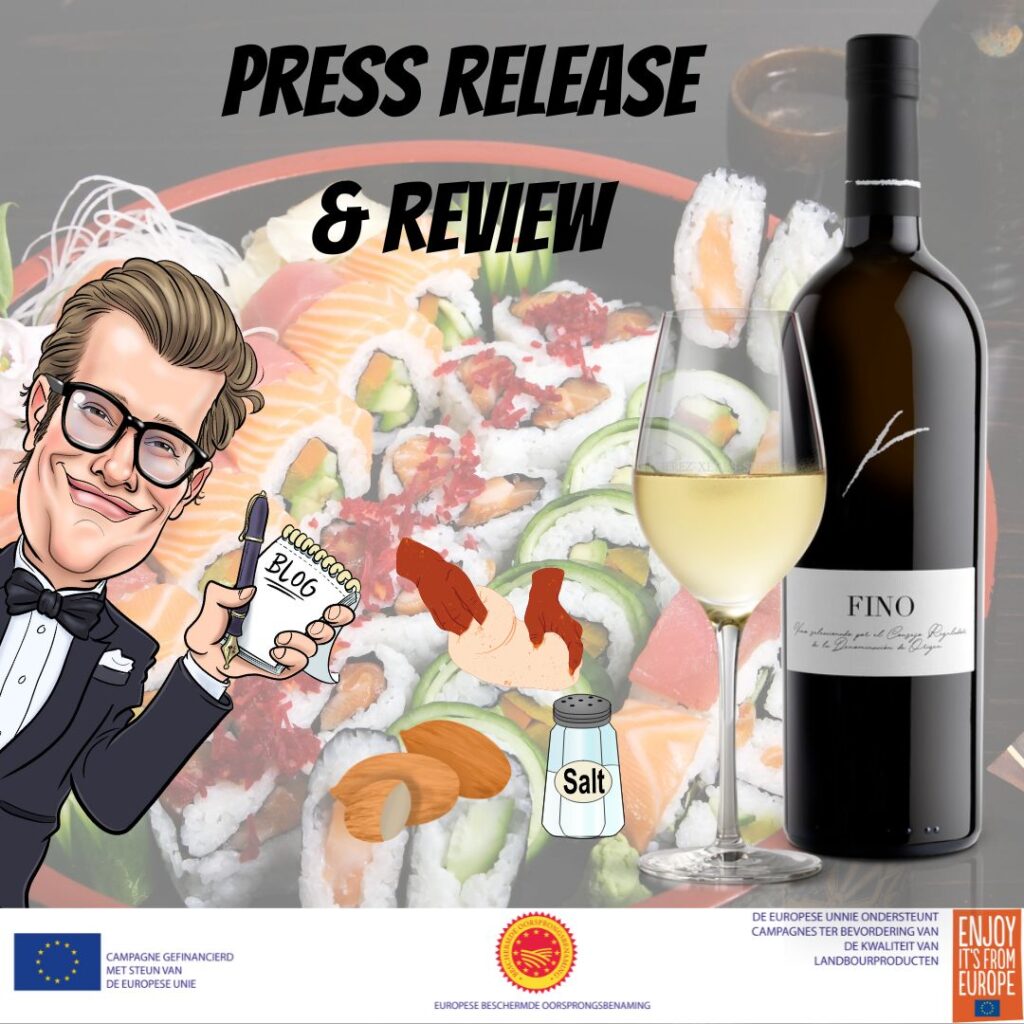
Sherry & Sushi!

Sherry, steeds meer mensen zijn in de ban geraakt van deze unieke en internationaal bekende Europese wijnen. Sherry wijnen zijn veelzijdig, vol verrassingen en alom gewaardeerd, maar combineren bovenal perfect met gerechten uit de meest uiteenlopende gastronomische culturen, zoals sushi! Vaak wordt sushi vergezeld door een frisse witte wijn of, zoals de Japanse gewoonte is, een biertje of sake, maar heb je er ooit aan gedacht om Fino met sushi te combineren?

Fino Sherry       
Fino staat symbool voor het intense, rijke en genereuze karakter van de wijnen uit Jerez. Deze variant van Sherry wijn wordt gemaakt van Palomino druiven, is bleek goud van kleur en helder door biologische rijping. Vanwege zijn gastronomische veelzijdigheid verdient hij een prominente plaats aan tafel. Deze droge en expressieve witte wijn stimuleert de smaakpapillen op een buitengewone manier en versterkt de smaken van elk begeleidend gerecht, zo ook bij sushi.

Gerijpt onder een laagje gist, dat de sluier van de flor vormt, ontwikkelt de wijn aroma’s van amandelen, vers brooddeeg en wilde kruiden. Fino is een heerlijke droge en lichte witte wijn met een frisse afdronk van amandelen. De zilte smaak van de Sherry versterkt de smaak van de verse vis en harmonieert eveneens met de sojasaus, die ook zoutig is. De lage zuurgraad brengt de rijstazijn in balans en het aroma van groene amandelen in de afdronk van de Fino gaat prachtig samen met de hints van umami in het Yaki Nori geroosterde zeewier en de sojasaus.

Dus stap uit je comfortzone en probeer iets nieuws en spannends door deze internationale Fino te combineren met Sushi!

Sherry Academy
Voor eenieder die meer wil leren over dit unieke product, bestaat de online Sherry Academy. Doormiddel van dit e-learning platform biedt de D.O. Sherry wijnen jong en oud, wijnliefhebbers en professionals de gelegenheid om op elk moment meer te leren over dit enerverende gebied en wijn. In slechts een paar uur leer je basis kennis met onderwerpen zoals de oorsprong, productie en de verschillende stijlen Sherry wijnen. Voor degenen die al beschikken over Sherry kennis is er de mogelijkheid tot een gevorderden cursus welke dieper op de materie in gaat. Maak gemakkelijk en kosteloos een account aan via www.sherryacademy.org en start vandaag nog!

Over de Consejo Regulador
De Raad van Toezicht van de D.O. Vinos de Jerez (Sherry Wijnen), bekend als de zogeheten Consejo Regulador, was de eerste die in 1935 het reglement voor een oorsprongsbenaming publiceerde. Daarom hebben we het over “Jerez-Xérès-Sherry” en “Manzanilla-Sanlúcar de Barrameda” als oudste oorsprongsbenamingen (D.O.) in Spanje. Binnen het Sherry gebied is er nog een ander product, namelijk de “Sherry Azijn”. Deze wordt sinds 1994 eveneens beschermd door een oorsprongsbenaming (P.D.O.). De Raad van Toezicht die deze drie benamingen beschermt, verenigt 1.750 wijnbouwers en een honderdtal wijnhuizen, die gevestigd zijn in de zogenaamde “Marco de Jerez” in de provincie Cádiz. Zij zijn allen verantwoordelijk voor het beheer, de controle en de kwaliteit van alle wijnen. Dit waarborgt de kwaliteit van de betreffende regionale producten ten behoeve van de consumentenmarkt. Het werk van de Consejo Regulador heeft deze D.O.P.’s internationale erkenning gebracht. Het gaat om wijnen met een buitengewone variëteit en een echt karakter, met een zeer lange exporttraditie en merken die in de hele wereld echte Spaanse iconen vertegenwoordigen.

The original CBD infused wine in a can!

Wine in a can is of course not unknown to me! At the moment there is a lot of variance in type of wine, grape variety, Spritzers, Seltzers, bubbles, rose and so on. But I hadn’t tasted this one yet. Wine with Cannabidiol or CBD. I spoke to the product creator of Rebel wines!

With whom do I have the pleasure of speaking?

Rupert St Aubyn , MD and product creator.

What is your background and is it in wine?

As a commercial pilot in Zimbabwe, I spent 10 years flying across many African countries.  This led to much time spent in the Western Cape of South Africa, where they produce fantastic wine. This, in turn led to me importing Vondeling wines from there into Zimbabwe. On my return to the UK, I set up the UK Agency for Vondeling Wines. Since then, my business has grown to include wines from Italy, Argentina, Chile, New Zealand, Portugal, Spain, France and many others.  This business, formed in 2005 is Southern Wines Ltd.  It is a separate business to Rebel Wine Ltd, created in 2017, which specialises in CBD infused wines in cans.

Your wines have one unique ingredient, cannabis, could you tell us more?

In 2017, I was researching natural medications for my own use and came across Cannabidiol or CBD as it commonly known. As I discovered, CBD is an entirely natural substance and has been used for 1000’s of years in all the major civilisations, from China and Egypt to Greece and Rome, as a medication for a very wide variety of illnesses. Today it is gaining popularity as an alternative to traditional medication for its natural ability to support the Endocannabinoid system in the body.  CBD supports this system which helps promote sleep, relaxation, reducing anxiety and stress. It is now being used for a wide variety of conditions including Fibromylagia, Arthritis and Rheumatism among many others as it also supports inflammatory conditions.  It seems to go particularly well with wine. We use Broad Spectrum Organic Hemp derived CBD in our wines. 

Some practical question for the general public;

What does cannabis add to wine?

Put simply, CBD tastes bitter, earthy and Hempy.  It’s really not a nice taste.  By putting water soluble CBD into wine, we provide the full benefit of the CBD without the nasty taste. So you get the benefit of both, in delicious award winning wines. 

Do I get high from drinking this wine?

In line with UK government regulations, our product does not contain THC and therefore will not get you high. It is natural, safe and perfectly legal.

How would you describe your wine in a can?

Our wines are award winning in their own right and are delicious. We have a full bodied Merlot, a delicious Sauvignon Blanc, a fruity & fresh Rosé, plus 2 Skinny Rebel Spritzers (Low calorie, low alcohol), Rosé and White.  All these products are served in 200ml cans with 10mg of CBD. The addition of CBD is a great way to add  to your daily intake if you are a regular user of CBD.  If you are not, it is still a delicious, relaxing glass of wine.

Why are you in the canned wines industry?

We wanted to develop a fun product, primarily for outdoor events such as parties, picnics and festivals that was light weight, chilled quickly and offered the perfect single serve.

How do you see the future of canned wines?

Canned wines are lighter to transport and therefore have a lower environmental impact.  They are fully recyclable and have a very low carbon footprint (especially compared to glass).  Not only are they the most sustainable wine container, but, with new epoxy linings they preserve the freshness and taste of wines as well as a bottle; so our wine tastes just as good from a can as it does from a bottle. A can is a great way of having a glass of wine without having to open a bottle, saving wastage.  Being small and lightweight, it is ideal for travelling – trains, airlines, boats etc.  So there is a great future for canned wines, particularly with the demise of plastic and the banning of glass in many public areas (parks, beaches etc).

Thanks a lot Rupert, the pleasure was all mine!

Tagged :

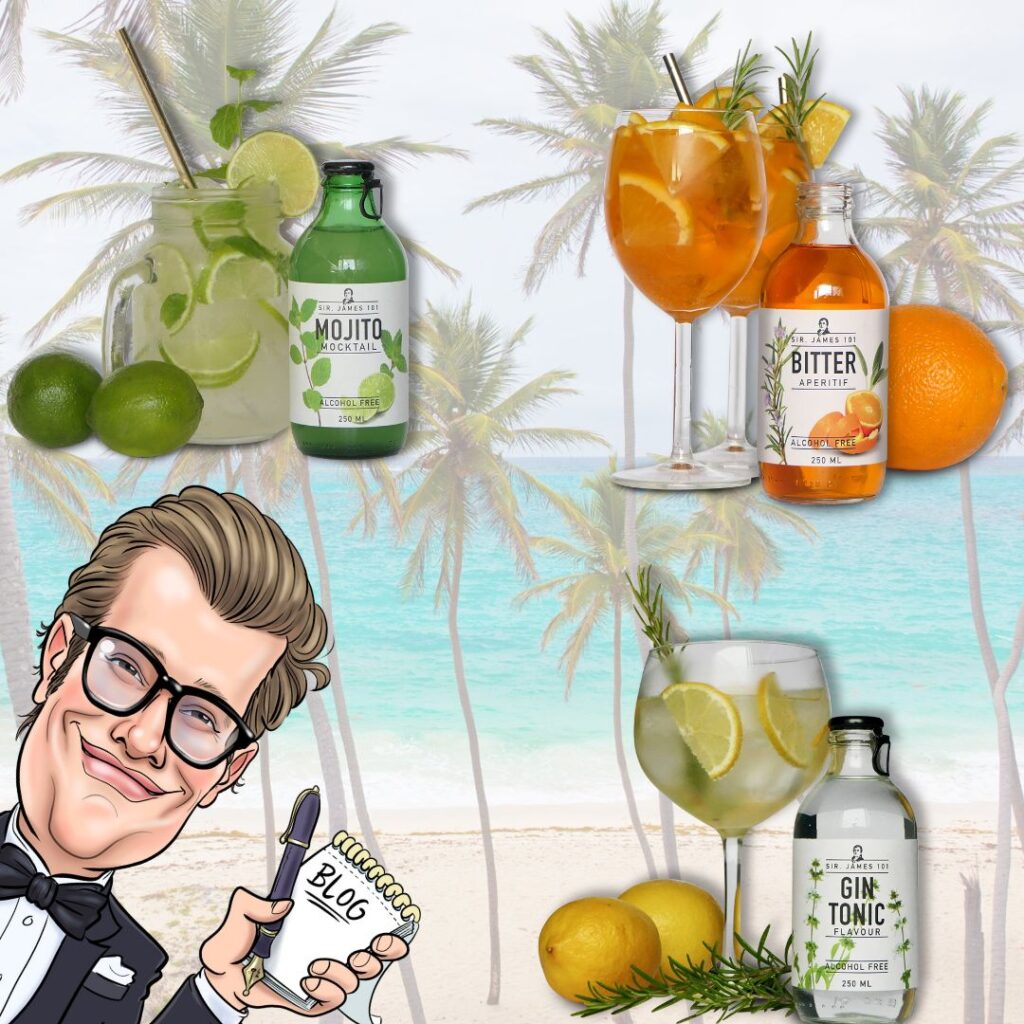
Pre-mixed cocktails 0% alcohol

No or low alcohol is hip and also very sensible. Calories fell and the range of alternatives is growing. Sir is a great player in the field of pre-mix cocktails. James 101!

They have a range of (pink) gin and tonic, mojito and bitter Aperitif. I put it to the test and tasted the range of these non alcohol pre-mixed cocktails!

Sir. James 101 carefully creates the recipes for the alcohol free drinks. They are made by using his experience and the finest ingredients to match the expectations of serious nonalcoholic drinks. Sir. James 101 is aiming for the best flavours only and feels flattered by the many positive received comments.

Gin and tonic

Natural flavours and extracts like juniper and lime were used to make this Gin Tonic alcohol free. This has created an attractive aroma of fresh citrus fruit and botanical herbs like juniper and rosemary. A fresh and soft bitter taste with hints of gin-flavours as you may expect. A pleasant sparkling taste provides a good harmony and balanced aftertaste.

Mojito

Natural flavours and extracts of spearmint and lime were used to make the basis of this Mojito. But Sir. James 101 went further than this making it a refined drink. Flavours of the brown sugar which is usually added are clearly recognisable in this drink and the taste is full bodied to equal the rum flavour which is used for Mojito’s with alcohol. The recipe of the Mojito has been created combining many small elements to make it the best alcohol free Mojito you’ve ever tasted.

Bitter Aperitif

Natural flavours and extracts of orange and herbs like rosemary, sage, clove and nutmeg are used to make this drink. This will make you find many flavours while tasting the drink. the aroma is fresh with hints of orange and herbs followed by a fresh bitter taste and a light sparkling finish.
The Bitter Aperitif can be enjoyed like a Spritz drink!

My conclusion? Well made non-alcoholic with a serious character, great alternative if a alcoholic cocktail doesn’t work out for you.

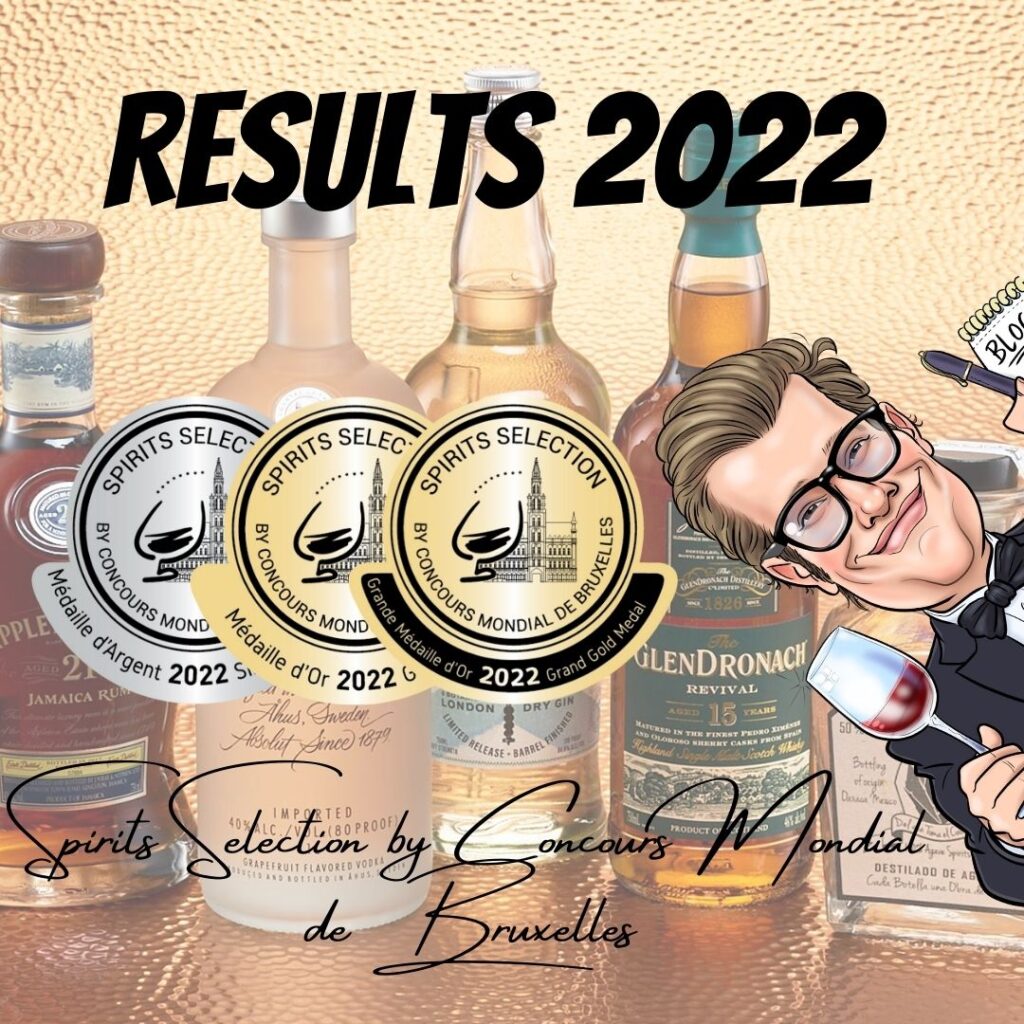
Spirits Selection by Concours Mondial de Bruxelles 2022 results

Facts & figures from the 2022 competition

France (including its overseas territories), China and Brazil are the top 3 countries with the highest number of medals. As a percentage of total entry numbers, Brazil and Mexico hold the top two spots, followed by Italy.

Guadeloupe, the host country, garnered 51 medals, which places it in second position among the French regions that won the most medals as a percentage of the samples presented.

Rums made from pure sugar cane juice, namely agricultural rums and cachaças, were particularly popular with the panel, with nearly 39 % of products winning awards. These results mirror the current trends as consumers are increasingly reaching for rum, a category that is undeniably on the rise.

For more information click here

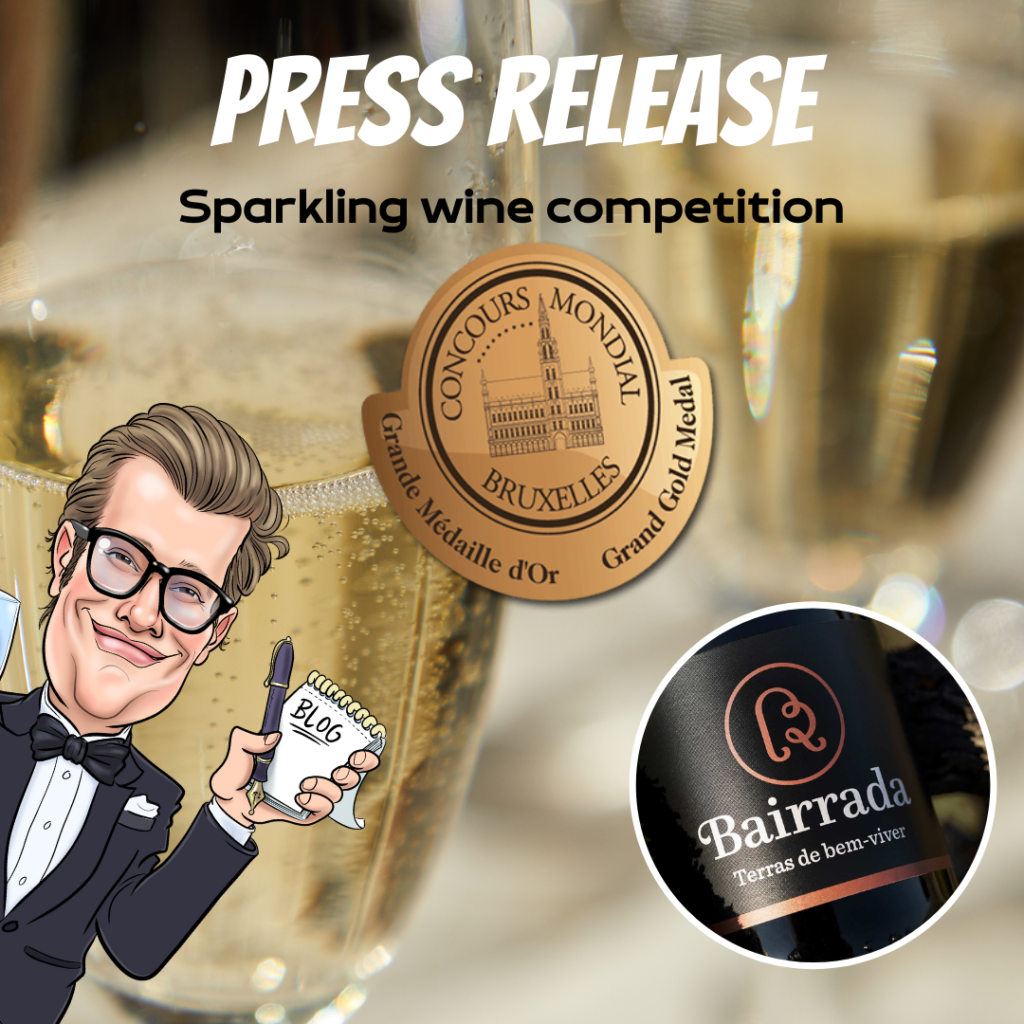
Concours Mondial de Bruxelles unveils the finest sparkling wines of the year

Last week in Bairrada, nearly 1,000 sparkling wines from around the world competed to win the highly-coveted medals from the Concours Mondial de Bruxelles. The 65 or so judges awarded silver, gold and grand gold medals to sparkling wines from 25 countries.

For more detials click here

First sweet wines session of CMB in Marsala

Since this year Concours Mondial de Bruxelles (CMB) as one of the most important wine competitions in the world has split into four different sessions for red and white wines, rosés, sparklings and sweet and fortified wines. Rosé wines were awarded in Valladodlid (Spain) in March, red and white wines at Cosenza (Italy) in May, sparkling wines will be evaluated in Bairrada Region (Portugal) beginning of July, and as the last one in this 2022 row CMB sweet and fortified wines session will take place in Marsala from September 20 – 23. Western Sicily’s iconic destination epitomises the values associated with sweet and fortified wines. It was therefore only natural that the organisers of the first dedicated session for these styles did choose the region to host the competition. Deadline for entries is August 1st.

Curious to see the full press release click here

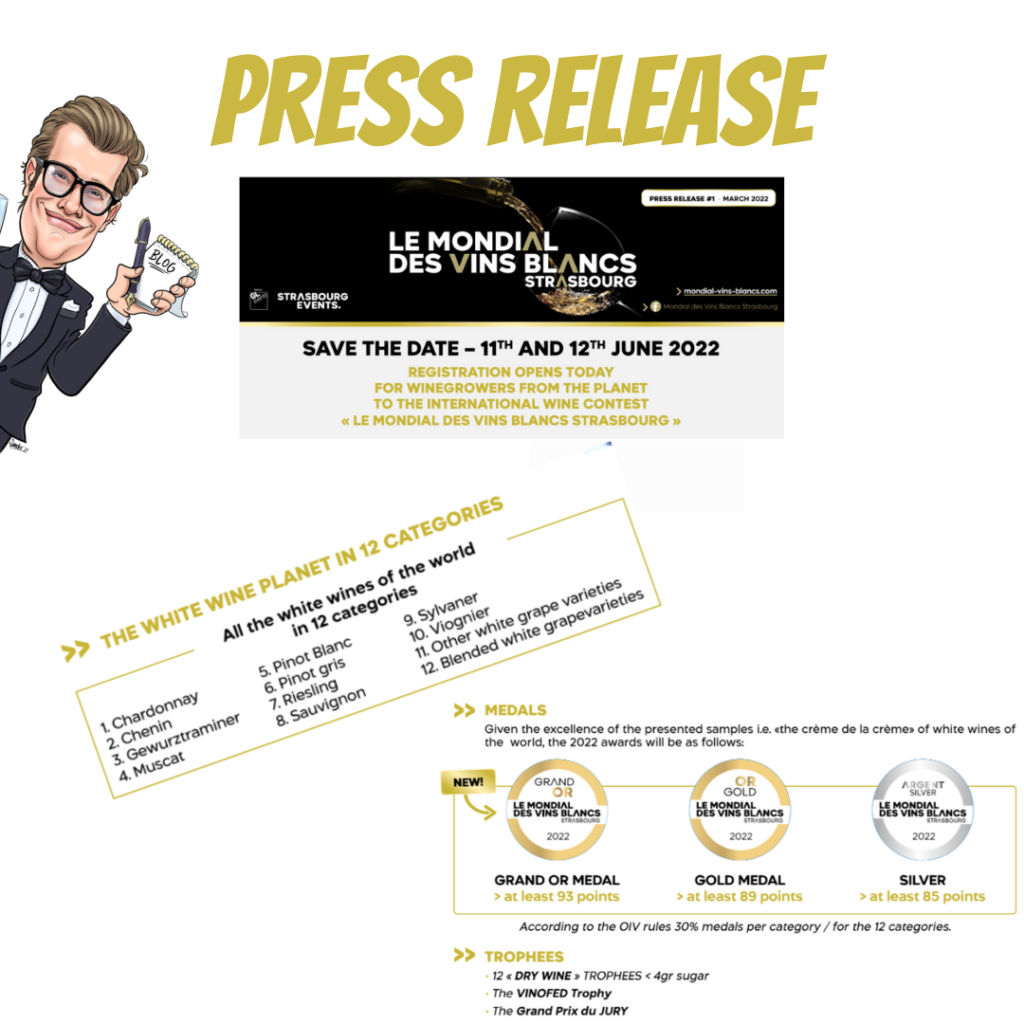
Results 2022 of LE MONDIAL DES VINS BLANCS STRASBOURG

In Strasbourg there is a very special wine competition. It is the only one in the world under the patronage of the international vine and wine organization (OIV) entirely dedicated to the diversity of the white wines. 

A great new development in 2022 is that orange wine was invited to the Mondial. According to the definition of the OIV, it is a macerated white wine.

Coming from the New World, the European continent, Asia and Oceania, the colors of white and orange wines swirled even more at the Palais de la Musique et des Congrès on June 11th and 12th during this 24th edition. The wine estates of the world entered the dance with in particular a first participation
from Mexico, a winning date for Japan, celebrations of indigenous grape varieties and beautiful confirmations of medals.


A desire to participate also for the 63 expert judges from the 5 continents who for some had been prevented for 2 years from traveling from South Africa, Australia, Canada or the States. The tempo: 3 series per morning for each judge and 70 wines tasted by expert over the 2 days.

There are several categories like Chardonnay, Muscat, Pinot Gris, Pinot Blanc, Riesling, Viognier, Sauvignon Blanc and many more.

For all the 2021 results click here.

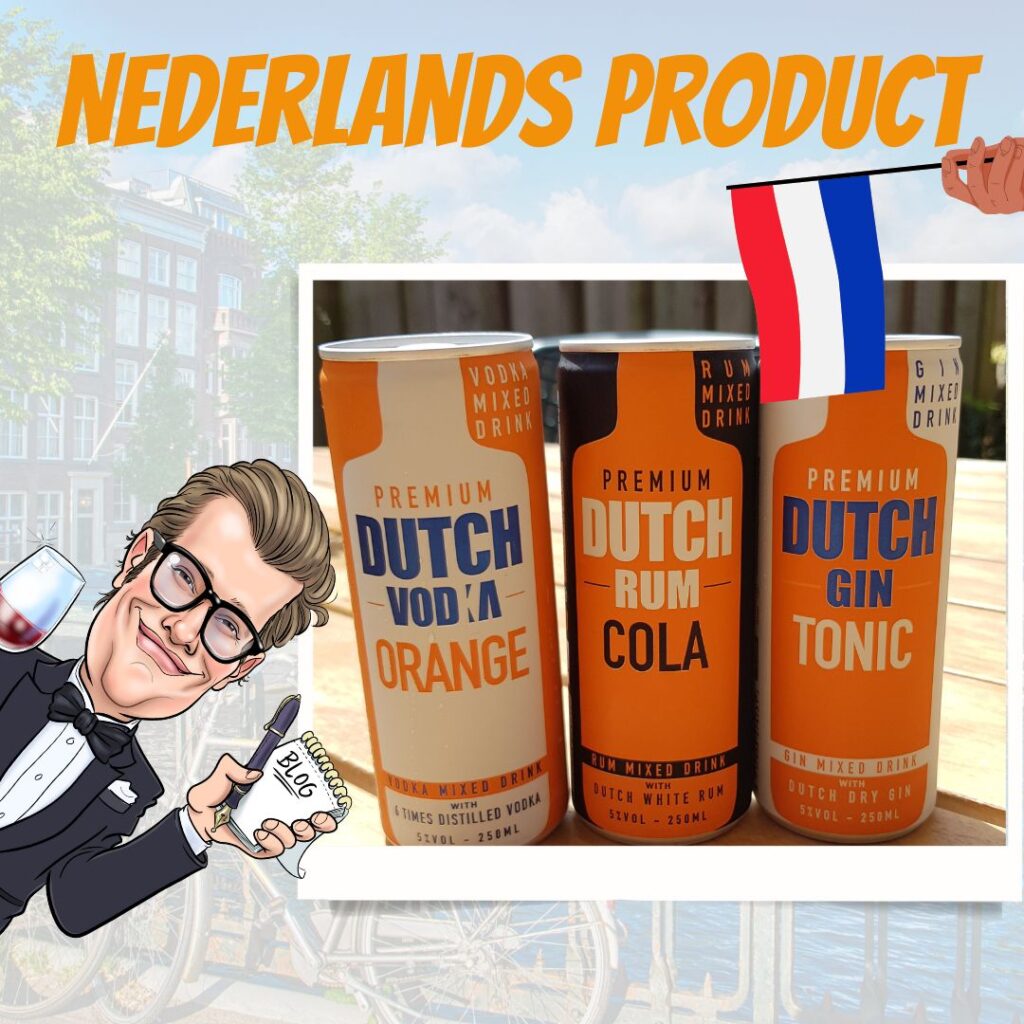
Nederlandse pre-mixed cocktails!

Zoals jullie weten ben ik een groot fan van innovatie en zeker als dit een Nederlands tintje heeft.

Geweldig om samples te ontvangen van een echt Nederlands assortiment van Ready To Drink – pre-mixed cocktails.

De Vodka, Gin en Rum zijn van originele Nederlandse makelij en het is allemaal begonnen met de Vodka van Nederlandse bodem.

Wat is er belangrijk bij het maken van deze Nederlandse distillaten?

  1. 6 x gedistilleerd (bij de Vodka)
  2. Handgemaakt in kleine batches en gedistilleerd in koperen ketels
  3. Zoet water uit Nederland. Het Nederlandse water staat bekend om een ​​extreem hoge kwaliteit.
  4. 100% puur graan (bij de Vodka), zeer mooi uitgebalanceerde en geeft een premium smaak.
  5. Echt Nederlands ontwerp. Gemaakt door een gerenommeerde Nederlandse ontwerper die de Nederlandse oorsprong toont

Ook worden er geen additionele toevoegingen gedaan (zoals suiker) om een ​​echte en eerlijke wodka en het beste genot te bieden.

De Vodka is los in de fles te koop, maar mijn interesse ligt bij de blikjes Pre-Mixed Cocktails! Men maakt verschillende soorten;

  • Premium Dutch Rum Cola
  • Premium Dutch Vodka Orange
  • Premium Dutch Gin Tonic

Handig, sneller koud, kan overal mee naar toe en nu dus ook van hoge Nederlandse kwaliteit!

Ik heb ze allemaal geproefd en ben overtuigd van dit vakmanschap, een mooi product in handzame verpakking voor alle gemakken voorzien. Ik zeg op naar het strand, cheers!

Voor meer informatie en verkooppunten klik hier

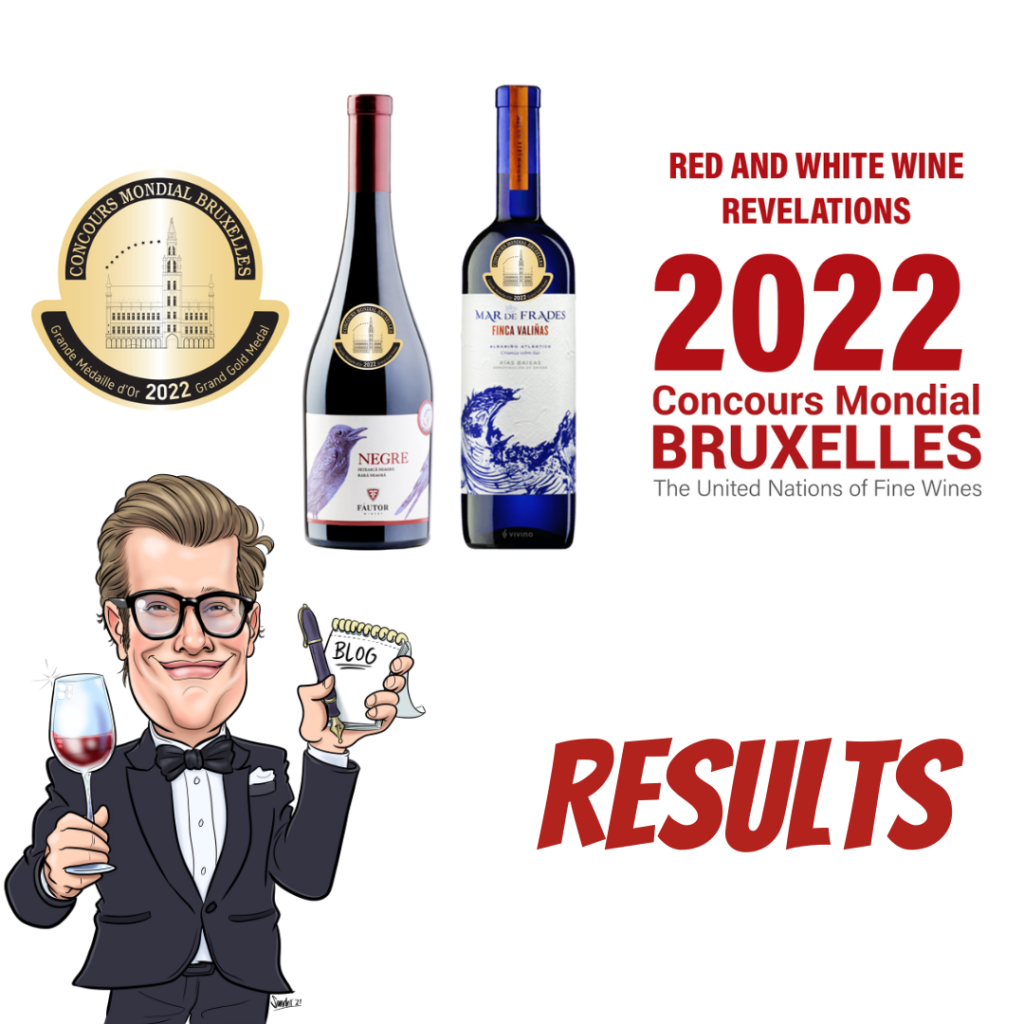
CONCOURS MONDIAL DE BRUXELLES – Red & White results 2022

Spain and Moldova collect awards for the best white and red wine in the competition. The top organic wine comes from Switzerland.

The Concours Mondial de Bruxelles is delighted to share the results of its 2022 Red and White Wine Session. From May 19-21, the world’s most prestigious competition gathered experts from across the international wine industry to taste over 7,300 entries from nearly 40 countries worldwide.

Among the winners are wines from six continents, including all the established wine producing countries around the globe but also exceptional locations like China, Peru and even Kazakhstan.

The white wine with the highest score in this year’s competition is the Mar de Frades Finca Valiñas 2017 – an Albariño from Rias Baixas, Spain. Тhe best red wine comes from Moldova – the Fautor Negre 2017 is a blend of the native varieties Feteasca Neagra and Rara Neagra.

Read the whole press release here

Turkish Wine Challenge – results 2022

TURKISH WINE CHALLENGE®

Turkish Wine Challenge® – (TWC), Turkey’s first and only wine competition with international standards, took place in three sessions this year.

The first session was in London on May 7, 2022, while the others took place on May 11-15, 2022 at the pearl of the Aegean, Kuşadası Suhan 360 hotel.


Turkish and Georgian wines won most of the awards in the three-day competition. The distinguished
products of wine producers participated with hundreds of different wines from 15 countries. The medal
achievements were determined by blind tasting, which was carried out only with the knowledge of the grape variety and the vintage.

The members of the jury consisted of wine professionals from different countries.

84 wines won a medal in the competition. This year, 1 Grand Gold, 30 Gold and 53 Silver medals were
awarded. Turkey was awarded with 41 medals, Georgia with 14 medals and Germany with 7 medals, being
the top three countries in the medal ranking.


Turkish Bozcaada’s boutique producer, Çamlıbağ Winery, received the only Grand Gold award in the
competition with their Ayapetro Merlot 2013. This wine also was the highest-scoring wine receiving the “TWC 2022 Trophy” award and the “TWC 2022 Best Red” award.

Doluca DLC Playa 2021, made with the local Çalkarası and Kalecik Karası grapes of Turkey, was highly
appreciated by the jury. DLC Playa won the “TWC 2022 Best Rose” award.

The “TWC 2022 Best White” was awarded to Markus Molitor Schiefersteil 2019, which is imported to Turkey by Metro Gross Markets group.

Neil Sommerfelt MW, one of the jury members, said, “TWC is well organised and the competition has already attracted many international brands. I am very pleased to be a part of this organisation.”

For more information click here

Innovatie – kwaliteit, betaalbaar én duurzaam!

HEMA speelt in op de stijgende vraag naar ‘positieve wijnen met positieve impact’. Dit is wijn van goede kwaliteit, betaalbaar én duurzaam. Om die reden introduceert HEMA letterlijk een ‘Positive’ wijn: een Italiaanse wijn in een kartonnen jasje. Deze nieuwe fles bestaat uit 94% gerecycled karton en is tot wel vijf keer lichter dan een gemiddelde glazen wijnfles. De wijn is verkrijgbaar in een frisse witte en rosé variant.

De komst van deze fles is een win-winsituatie. Doordat de fles wel vijf keer lichter is dan een gemiddelde glazen wijnfles kost het transport ervan minder CO2 en ook de productie hiervan geeft tot wel 6x een lagere uitstoot van CO2. Niet alleen beter voor het milieu, maar ook minder gesjouw met zware wijnflessen én geen ‘walk of shame’ meer naar de glasbak. De kartonnen buitenkant gaat namelijk gewoon bij het oud papier en de plastic binnenzak mag bij het PMD afval. Zo wordt de verpakking opnieuw gerecycled en is de (duurzame) cirkel rond.

Benieuwd hoe je de fles makkelijk uit elkaar haalt en kan weggooien? Bekijk dan hier een korte video.

De wijnen worden geproduceerd door het bekroonde wijnhuis Cantina Goccia, een betoverende plek in de heuvels van Umbrië, het hart van Italië. Dit wijnhuis werkt aan meerdere aspecten om de ecologische voetafdruk van de wijngaarden te verkleinen: géén pesticiden in de wijngaarden en alle druiven worden met de hand geplukt. Na de druivenoogst worden er andere gewassen verbouwd om biodiversiteit op het land te stimuleren. De wijnen zijn ook geschikt voor een veganistisch eetpatroon.

Welke wijn?

De witte wijn bestaat uit de blend van Grechetto, Vermentino en Chardonnay. Deze wijn is fris van smaak en heeft met daarnaast bloemige en fruitige aroma’s.

De rosé is een blend van Cabernet Sauvignon en Pinot Nero (Pinot Noir). Dit resulteert in een rijke rosé kleurig wijn met aroma’s van rode bessen en frambozen.

Benieuwd? Ga dan naar hema.nl en bijna alle HEMA filialen om zelf een fles te bemachtigen!

Innovative solutions, WHEN IN ROME!

Innovative solutions, that’s what the wine world will take further. Talks about sustainability are no longer a trend or must have, no, all companies will have to adapt their processes to this. One to a greater extent than the other, but there is no chance of escape. Effective solutions in the vineyard and in the winery will contribute to this.

But you also have to think outside the box when it comes to packaging a product. Why is wine always in a 0.75 glass bottle?
In some counties the Bag-in-Box has failed in the past, too big, leaking tap and especially wrong marketing aimed at the masses with poor quality wines.

There are new developments, as many of you know, I am fully engaged in sustainability and alternative packaging, so time for cans, bag-in-box and new age bottles!

Some time ago I became acquainted with the company ‘When In Rome’.
This UK firm sources its wines from real authentic winegrowers from Italy. Traditional family businesses that realize that things must and above all can be done differently! They are very active on their social media to create an experience. The packaging design, overall branding and website also reflect a new era for wine. As I know their canned wines, see below.

At When in Rome they show where the wines come from and the alternative packaging is pure and only as packaging. Do you fancy 1 to 2 glasses? Or are your friends coming to visit? And don’t you want to waste wine and must the packaging be sustainable? Then you’ve come to the right place!

The wine is the same and can be bought in cans or in small 2.25 liter Bag-in-Box.

And they also have an new innovation, a paper bottle! Amazing!

Champagne-export in 2021, grote stijging wereldwijd & in Nederland

Persbericht

De wereldwijde verzendingen van Champagneflessen bedroegen in 2021 320 miljoen flessen. Dit is een stijging met 31% in volume ten opzichte van 2020 en 8% ten opzichte van 2019. De omzet bedroeg in 2021 5,7 miljard euro, een stijging met 36% ten opzichte van 2020 en 14% ten opzichte van 2019. 

Het aantal naar Nederland verzonden Champagneflessen bedroeg in 2021 3.933.000 flessen, of een volumestijging met liefst 36,3% ten opzichte van 2020. Hiermee komt Nederland officieel op de tiende plaats van de Champagne-invoerende landen wereldwijd. In 2020 kende Nederland al een stijging met 14,4% van het aantal verzonden Champagneflessen (2,9 miljoen flessen in 2020 ten opzichte van 2,5 miljoen in 2019).

In totaal verzonden afgelopen jaar 414 verschillende Champagneboeren, -huizen of -coöperatieven hun Champagne naar Nederland.

Voor het complete persbericht en meer informatie klik hier

Winelovers Wine Awards 2022

Press release

A contest that considers diversity

Winelovers Wine Awards

There’s only one week left until the early bird deadline (15 May) of the 1st Winelovers Wine Awards international wine contest, which will take place on 20–22 June in Budapest, Hungary. The organisers place great emphasis on diversity regarding both the jury members and the grape varieties. Wine judges for the contest will come from numerous countries from New Zealand to Columbia and from the USA to Poland. As regards the grapes, Winelovers Wine Awards welcomes every variety in the world, what’s more, the organisers also encourage winemakers to send samples of lesser known or completely unknown varieties

The location: gateway between East and West
Hungary has always functioned as a kind of gateway between East and West, and thanks to its winemaking traditions and values, the country can play a strategic role for those countries wishing to export from the region and to the region. The contest offers a focused presentation on the global wine market for countries exporting from Central and Eastern Europe. At the same time, Winelovers Wine Awards offers the opportunity to reach a large, concentrated market for countries aiming to export to Central and Eastern Europe. 

Budapest, the capital of Hungary, is easy to reach by plane, train or by car (and even by boat) and shipping wine samples is also fast and easy, especially from other European countries. The contest’s venue is the elegant Continental Hotel Budapest – a historic building, where tradition and modernity come together, offering a unique setting for a unique occasion – and last but not least, it boasts ideal conditions for the competition. 

Jury members – the true value of a contest

Winemakers put all their passion and knowledge into the wines they enter, thus a wine contest should meet their requirements and have jury members with the highest level of expertise. Therefore Winelovers Wine Awards have invited Masters of Wine and Master Sommeliers, importers and head sommeliers of top wine bars and restaurants, wine educators and wine writers with decades of experience. 

It is highly worthwhile to present wines to these experts, as they are current decision-makers and influential people, and their opinion can be used to further promote wines entered and evaluated.

For more information click here

Cockburns – port & tonic in a can!

Cockburn’s has always questioned the so-called ‘rules’ for making port. Back in 1815, Robert and John Cockburn, two brothers from Scotland, bypassed the stuffy merchant’s fair in Porto and bought the very best grapes directly from farmers upriver in the Douro.

And as a ambassador  of adult beverages in a can, I tasted their port & tonic in a can!

Refreshing summer drink! Fresh on the palette with hints of mint and lemons. The crisp tonic water together with the lime and lemon hits with a little aroma of mint leaf are very thirst-quenching and makes you want to go to the beach! 

All very good in balance in a can for this new and exciting drink for the summer. Cheers on the canned revolution of adult beverages! 

COCKBURNS PORT & TONIC

Nieuw onderzoek; alternatieve gisten gebruiken om sulfieten in wijnen te vervangen

Wijnjournalist Rémy Charest schreef voor daily.sevenfifty.com een mooi onderzoeks artikel waarin hij toelicht wat alternatieve gisten kunnen doen ter vervanging van sulfieten.

Wat is sulfiet?

Sulfiet ook wel Zwaveldioxide (SO2) genoemd werkt in de wijn als antibacterieel en antioxidant middel, het zorgt voor minder schimmelziekten en ander ongedierte in de wijngaard. Maar het heeft ook veel nadelen zoals het aantasten van fruit aroma’s in wijn en ook voor medewerkers in de wijngaard en het wijnbedrijf kan het voor irritatie zorgen bij blootstelling van een grote hoeveelheid. De consument kent het vooral om dat het veel hoofdpijn zou bezorgen, terwijl in het frietje van de fastfoodketen, het rode blikje cola en in het gedroogde fruit van de groentewinkel meer sulfiet per eenheid zit…..

Zonder het hele artikel te citeren deel ik graag met jullie de link klik hier.

Alle rechten en complimenten aan Wijnjournalist Rémy Charest voor daily.sevenfifty.com

The People’s Choice Wine Awards

The People’s Choice Wine Awards is run by Janet Harrison of Cracking Wine and Judy Kendrick from JK Marketing.  Together, they have decades of experience creating and running iconic trade and consumer events and effective marketing and research projects.  Due to the reputation of the PCWA, submission numbers have increased by 100% year-on-year, since its creation in 2017.

The consumer-friendly categories attract wine submissions from all over the world, in any packaging formats and at any price point.  Submissions are welcomed from all sources, including importers, independent retailers, supermarkets and producers.  Additional categories for producers seeking representation in the UK are available.Hand-picked, enthusiastic wine consumers (chosen via an application process) are invited to judge alongside qualified industry experts making the competition exciting, inclusive and relevant to today’s wine business. This is backed up by a professional panel, including modern wine communicators who are wine writers, broadcasters and bloggers.  

For all the results click here

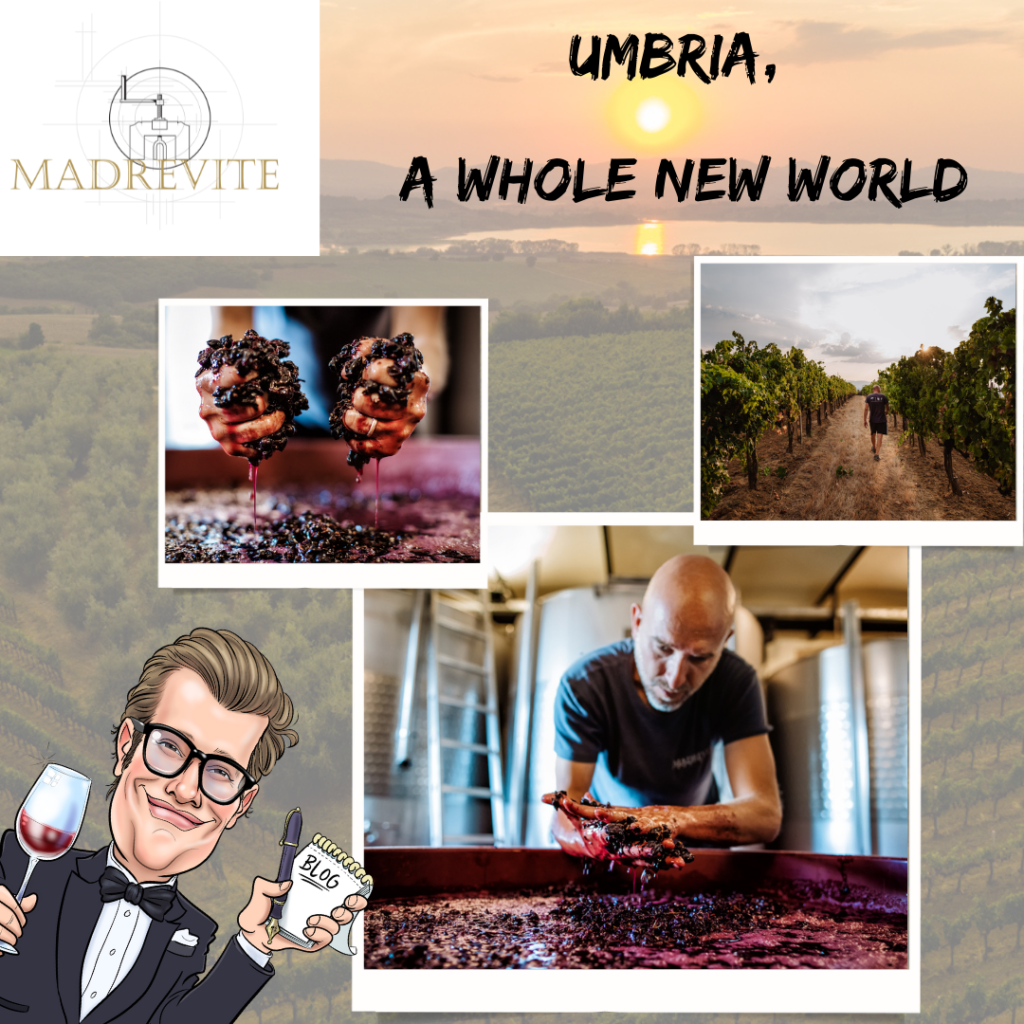
Madrevite, het levenswerk van wijnmaker Nicola Chiucchiurlotto

Waar het allemaal begon; Umbrië!

Waar ligt Umbrië? Dit relatief onbekende wijngebied grenst aan Toscane en de Marken. Tevens ligt het naast de imposante bergketen genaamd de Apennijnen.

Een artikel in ‘interview style’ met wijnmaker Nicola Chiucchiurlotto.

Kun je ons wat meer vertellen over de oorsprong en de huidige gang van zaken van het bedrijf?

Mijn baanbrekende experimenten begonnen in 2008, maar het wijnbedrijf is opgericht in 2003. Ik maak pure wijn om alle intrinsieke kwaliteiten van de druivencultivar te onthullen en om het bewustzijn te vergroten van de complexiteit van het gebied dat het gastvrijheid biedt en vervolgens samenvloeit tot één.

Over hoeveel wijngaarden hebben we het?

60 hectare die op drie verschillende beboste heuvels op de grens tussen Umbrië en Toscane liggen: hiervan zijn 11 hectare wijngaarden, 5 olijfgaarden; er zijn kleine bosgebieden en de rest is bouwland.

Welke druiven staan op deze wijngaarden aangeplant en hoe oud zijn deze struiken ongeveer?

De belangrijkste rode druiven die hier worden verbouwd zijn Gamay del Trasimeno, Sangiovese, Montepulciano en Syrah, terwijl de witte Trebbiano Spoletino en Grechetto zijn. De gemiddelde leeftijd is ongeveer 20 jaar, waarbij de wijngaarden tussen 280 en 350 meter boven zeeniveau liggen.

Wat kun je ons nog meer vertellen over hoe je werkt en wat je visie is voor de toekomst?

Mijn wijnen respecteren het grondgebied, de tijd en de traditie van de plaats waar ze zijn ontwikkeld. Uniciteit is geen eigenschap die je besluit te bereiken en die je probeert te overwinnen. Integendeel, het is het natuurlijke resultaat van constant werk en bewustzijn, gericht op het behouden van wat je al bezit.

Ik ben trots en moedig, loyaal en koppig. En misschien een dromer, want ik geloof in de synergie tussen mens en natuur, en ik heb een visie van collectieve, wederzijdse hulp, van wederzijdse uitwisseling en gemeenschappelijk engagement op het werk. Ik geloof in een gastvrije wereld waarin ik kan leven met het gezin, mijn vrouw – met wie ik de geneugten en ontberingen van deze baan deel – en waar ik wil dat mijn kinderen opgroeien.

De natuur zet de eerste stap. Dan is het aan ons om het kostbare ding te ontwikkelen dat het heeft kunnen beschermen.

Mijn wijnen zijn echt: ze vertellen een verhaal van liefde en toewijding aan het dagelijkse werk.

Il Reminore (UMBRIA Indicazione Geografica Protetta)

De druiven (Trebbiano Spoletino) worden handmatig geoogst en gedurende 36 tot 48 uur op de schillen gelaten voor meer concentratie en kleur. Daarna volgt een zachte persing en een koude klaring, alwaar de fermentatie bij een gecontroleerde temperatuur van 16°C plaatsvind. Tenslotte blijft de wijn voor 6 maanden in roestvrijstalen tanks op fijne lies en daarna nog eens 6 maanden op fles rijpen. Schitterende gouden kleur met een lichte mandarijn neus. In de kern van smaak proeven we appels, peren en tikje lemon curd. De wijn is droog en heeft een mineraal karakter.

La Bisbetica Rosé (UMBRIA Indicazione Geografica Protetta)

Deze rosé is gemaakt van de lokale Gamay del Trasimeno druif, welke in de rest van de wijnwereld beter bekend is als Grenache.

Ook hier een handmatige oogst van dedruiven met wederom een koude maceratie gedurende 6 tot 8 uur, waarna het zelfde proces wordt gevolgd als bij de Il Reminore. Daarna rijpt de wijn voor 4 maanden in roestvrijstalen en cementtanks op de fijne lies en aansluitend nog 3 maanden op fles.

Bloemige neus met in de smaak verse frambozen, tikje rode grapefruit en veel klein rood fruit. Evenwichtige zuren. De wijn is sappig en fris.

Opra (TRASIMENO Denominazione di Origine Controllata)

Wederom een wijn gemaakt van de lokale Gamay del Trasimeno druif. De lokale Grenache druiven worden handmatig geoogst en ondergaan een bijzondere methode. De zogenaamde “Governo all’uso toscano”-techniek. In de kern gaat het hier om spontane fermentatie zonder dat er gebruik wordt gemaakt van toegevoegde gisten, alles door maceratie op de schil die verandert naargelang het seizoen vordert. Om de fruitigheid te bewaren gaat de wijn voor 10 maanden in cementtanks en aansluitend nog eens 3 maanden op fles.

Robijn rood met een lichte intensiteit, bosbessen, zwarte kersen en pruimen gecombineerd met relatief hoge zuren zogen voor een frissen en toegankelijke wijn met in de afdronk de nodige aangename kruidigheid, waarbij de tannine rond en fijn aanvoelen! 

Futura Vino Spumante di Qualità Brut Nature (Ancestral Method)

Een bijzondere mousserende wijn, een PET-NAT.

Na het oogsten vindt er een directe persing plaats van de trossen, bij de fermentatie geen toevoeging van suikers en gisten voor de hergisting maar een eeuwen oud proces. Wanneer men in oktober de Trebbiano Spoletino oogst om de andere wijn genaamd ‘Il Reminore’ van te maken, bevriest men een klein deel van die most voor 2/3 maanden. In de lente, terwijl de temperatuur wordt verzacht, herstart de gisting op een natuurlijke manier, waardoor de bubbels in de wijn komen, de PET-NAT is geboren!

De wijn biedt een typische PET-NAT verwachting, de mix van fruitigheid en romigheid. Appel en peer beide fris maar toch ook romig van structuur. De bubbels zijn enthousiast en in balans en het PET-NAT karakter met de gisten is fijntjes aanwezig. In de smaak wordt het aanwezig citrus fruit afgewisseld met een klein pecannootje, subtiel!

NEWS from the World of Malvasia Competition 2022

The World of Malvasia is an international Malvasia competition that has been held since 2009 in the organization of Vinistra – the association of winegrowers and winemakers of Istria, and under the auspices of the Istrian County. This eno event is the result of global trends in the production and consumption of wines produced from indigenous wine varieties that have a strong connection with the territory in which they thrive, and are produced in limited quantities.

The goal of the Malvasia World competition is:

  • gather as many varieties of Malvasia as possible
  • to promote the peculiarities and qualities of different varieties of Malvasia
  • show the latest trends in Malvasia production
  • reward the best wines

The commissions that evaluate the samples received for the competition consist of top domestic and international experts who evaluate wines according to the strict provisions of the competition regulations harmonized with the provisions of the International Organization of Vine and Wine (OIV). The wish of the organizers of this competition is that in the future Istria becomes a central place for producers, consumers and experts interested in this variety, which has gained its fame among wine connoisseurs in the distant past.

The 2022 edition was held from the 5th to 8th April 2022 at the Parentium Plava Laguna in Poreč, Croatia.  

For all the winners click here

Cantina Bergamasca

Emozioni dal Mondo Merlot e Cabernet Insieme 2021

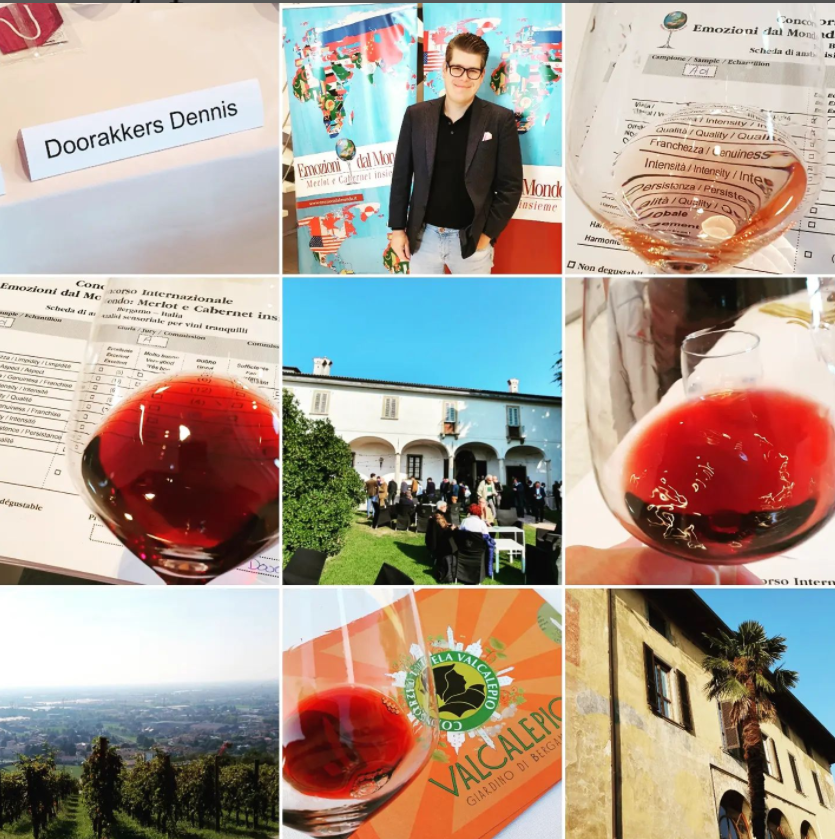
Op uitnodiging van Consorzio Tutela Valcalepio was ik in oktober aanwezig als jurylid tijdens de 17e internationale wijncompetitie ‘Emozioni dal Mondo Merlot e Cabernet Insieme’. Enorm trots en vereerd met deze uitnodiging reisde ik af naar Lombardij, om via Milaan in de Bergamo regio terrecht te komen. De competitive bestaan sinds 2004 en heeft de focus op Bordeaux stijl wijnen van Cabernet Sauvignon, Cabernet Franc en Merlot van over de gehele wereld. Zie mijn artikel over de uitslag van de competitie hier.

Valcalepio DOC

In luwte nabij de heuvels van Bergamo, in de regio van Lombardije, ligt een bijzonder wijngebied, de Valcalepio DOC (sinds 1976). Deze regio wordt ook wel ‘de tuin van Bergamo’ genoemd en heeft vanzelfsprekend een enorme binding met de stad. De wijnsoorten in dit gebied zijn gevarieerd en dit productie gebied kent dan ook de additionele benamingen Bianco, Rosso, Riserva en Moscato Passito. In een Bianco wijn moet 55% tot 80% bestaan uit Chardonnay en/of Pinot Bianco, waarbij er aangevuld mag worden met Pinot Grigio. In het geval van de Rosso en Riserva moet de wijn minimaal 25% tot 60% bestaan uit Cabernet Sauvignon en moet worden aangevuld met Merlot. Waarbij he verschil tussen de Rosso (12,5%) en de Riserva (15%) ook nog enkele procenten in alcohol is maar met name de rijping van minimaal 1 jaar, waarvan drie maanden op houten vat.

Consorzio Tutela Valcalepio

In 1976 werd deze belangenorganisatie opgericht met 22 aangesloten wijnbedrijven en had als doel het bewaken en promoten van de Valcalepio DOC. Momenteel heeft het consortium 80 leden welke voor meer dan 80% van de totale productie uit het gebied zorgen. Tegenwoordig bewaakt en promoot Consorzio Tutela Valcalepio niet alleen de DOC Valcalepio maar ook DOC Terre del Colleoni of Colleoni en de IGT Bergamasca. De huidge directeur van Consorzio Tutela Valcalepio is sinds 1995 de oenoloog Sergio Cantoni die Carlo Zadra en Riccardo Guadalupi opvolgde toen hij vanuit Piemonte in Bergamo aankwam. Met zijn heldere visie heef hij van het Consorzio een solide promotie organisatie gemaakt welke op diverse evenementen actief is.

Cantina Bergamasca

Cantina Sociale Bergamasca werd opgericht in 1957 en begon met produceren in 1960. Het vertegenwoordigde meteen de drijvende kracht achter de wijnbouw in Bergamo, waar innovaties en onderzoek om draaien. De Cantina Sociale Bergamasca is de grootste producent van Valcalepio DOC sinds 1974, toen het DOC werd toegekend. De 52 leden zijn van mening dat, naast het verzorgen van de wijngaarden, alleen door het optimaal maken van wijn en het bottelen het best mogelijke resultaat kan worden behaald.

Terre Del Colleoni Doc Incrocio Manzoni 6.0.13

Medium stro geel met een tikje groen in de rand, in de neus licht aromatisch met de geur van witte bloemen. De smaak is tropisch fruit gecombineerd met fris citrusfruit. Rijpe gele meloen, frisse citroenen, limoen, stukjes rinse appel, elegante zuren en een fris zuurtje in de afdronk.

Deze wijn is heerlijk met vooral frisse, zachte gerechten zoals risotto of wit vis zonder al te veel bombarie. De wijn wordt gemaakt via koude maceratie van de druivenschillen die het mogelijk maakt om de maximale hoeveelheid aromatische stoffen in de most te verkrijgen. De most wordt ongeveer 6/8 uur gekoeld op 5-8°C en de wijn krijgt polyfenolen en aroma’s.

De wijn is gemaakt van 100% Incrocio Manzoni 6.0.13.7. Zelf was ik nog niet bekend met deze druif. Na wat research blijkt dat er diverse ‘Manzoni’kruisingen zijn. Allemaal gemaakt door Proffesor Luigi Manzoni in het Viticultural and Oenological Institute’ in Conegliano. De zogenaamde ‘6.0.13’, is een geweldig goed uit de verf gekomen kruising van Pinot Bianco en Riesling Renano. Deze laatste druif is een kloon van de klassieke Riesling op Italiaans grondgebied.

Colleoni – Spumante Brut

De kleur is licht goud geel en de neus is fruitig en fris met veel fruit. De fijne aanhoudende mousse met romig karakter is gul en met hints van peren, appels, tikje van perzik en fijne structuur van brioche en mooie elegante romigheid in de afdronk, komt deze wijn in hogere sferen. Zonder enige twijfel een fantastische bubbel om een feestje mee te vieren. Geproduceerd met de traditionele klassieke methode van her gisting op fles, ondergaat hij een rijping van minstens 24 maanden en gemaakt van de druiven Chardonnay, Pinot Grigio & Incrocio Manzoni 6.0.13.

Terre Del Colleoni Doc Incrocio Terzi

Deze rode wijn is intens robijn rood van kleur en geurt fruitig en kruidig sappige aroma’s van pruimen, donkere kersen, tikje gerookte paprika en een kruidigheid van witte peper, gebalanceerde zuren met rijpe maar aanwezig tannine, afsluitend met een gulle afdronk. De druiven ondergaan een maceratie van ongeveer 10 dagen, gevolgd door een rijpingsperiode van ongeveer zes maanden in de tank en nog eens zes maanden in de fles, de druif is Incontro Terzi n 1.

Wederom een hybride druif, een kruising tussen Barbera en Cabernet Franc door een wijnmaker genaamd Riccardo Terzi.

Matisse Moscato Rosso aromatico

Deze vrolijke wijn is intens rosé van kleur en geurt naar rood fruit. In de smaak wederom dat kleine rode fruit zoals frambozen en rijpe kersen. Duidelijk zoet maar wel harmonieus, vol en elegant in de afdronk.
De Ideale dessertwijn, ideaal voor bij ‘home made’ tiramisu. Gemaakt via de Charmat methode met slechts 7% alcohol en van 100% Moscato di Scanzo druiven.

‘Tommasi lands in Sicily and climbs Mount Etna’

The Tommasi Estate, know for the famous and fabulous Amarone celebrates its 120th anniversary with the announcement of an exciting new investment in 15 hectares located in the Etna Rosso and Etna Bianco area.

Press release

”The Tommasi family has yet to give a name to this new property. «For 120 years we have had the ambitious goal of telling the story of Italy through its winemaking heritage and we are therefore proud to be considered among the best Italian wine ambassadors,” says Executive Director Pierangelo Tommasi. “Today, Etna represents one of the most interesting and exciting wine territories both from a production and business point of view. We are proud to be able to add this appellation to our portfolio with the others that we already represent, such as Valpolicella Classica, Lugana, Montalcino, Vulture in Basilicata and Manduria in Puglia.»  

Executive Director Pierangelo Tommasi

The agreement was signed with the Bambara-De Luca family, historical hoteliers in Taormina. «We have known the Tommasi family for quite some time and we appreciate their family union, combined with industriousness and expertise. These skills allow them to reach objectives beyond the classic Valpolicella area. The Tommasi family has also always had a vocation for the hospitality business, another important point we have in common,” says the Bambara-De Luca family. “We immediately found ourselves on the same wavelength, with a common vision of enhancing the territory and its riches. I am sure this collaboration will give further prestige to the Etna region and to wine tourism in the area.»  ”

For the full press release click here

Tommasi IV Generation

Winners of Concours International de Lyon 2022

The Concours International de Lyon is proud to announce the winners of this 13th edition. After two years of tastings held on our premises, 1200 tasters were at last able to return to the Cité Internationale de Lyon on March 24, 25 and 26.

Under the authority of the commissioner general and the supervision of an independent inspector, nearly 9600 samples were judged by our professional tasters and enlightened amateurs. All samples were tasted in confomity with strict hygiene measures, competition regulations and our ISO9001 certification.

For all the winners and more information click here for the press release

New event on sweet and fortified wines

In the western part of Sicily, Marsala wines are emblematic and representative of the values ​​associated with sweet and fortified wines. For this reason, the organizers chose this region to hold the first tasting session dedicated to sweet and fortified wines.

The objective of this session is to direct the attention of the media to these specific wines and, in particular, to the richness of Sicilian sweet and liqueur wines, such as Marsala, Passito di Pantelleria, Malvasia delle Lipari, Moscato di Noto, DOCs based on Zibbibo, Malvasia, etc.

For more information see the full press release here

Frankfurt International Wine Trophy – RESULTS 2022

The Frankfurt International Wine Trophy is a big international competition in Germany that invites experienced amateurs to participate as jurors.

Amateurs, well-known sommeliers and other international experts taste and judge the wines together. The goal is to take consumer tastes better into account in the selection.

Since its creation, the Frankfurt International Trophy has been able to rely on a variety of strong and renowned partners. Together, they promote the international reputation of the competition that takes place in the historical hall of the famous Gesellschaftshaus Palmengarten, which dates back to 1870 and is located in the heart of Frankfurt-on-the-Main.

Frankfurt mayor Peter Feldmann is sponsoring the competition.

The competition has strong ties to the restaurant world and is represented each year by an honorary president of renown (famous German chef). For the 2022 edition, Adalbert Seebacher, chef at the restaurant Kraftwerk, Oberursel (15 points Gault & Millau), is the Honorary president of the Frankfurt International Trophy.

With more than 2,500 wines from 31 countries from around the world, the competition took its place amongst the great wine competitions organised in Europe.

Open to all the world’s wines, the Frankfurt International Wine Trophy offers an international tasting of the highest level at an affordable price.

A country with high purchasing power located in the heart of Europe, Germany imports more wine than any other country in the world. As for the city of Frankfurt, it is Germany’s most important business and financial centre. Located in the heart of Germany’s major wine producing regions, it was a natural choice of venue for an annual competition including the world’s greatest wines.

For the results click here

Mondial des Vins Blancs 2021 & 2022 edition

The 2022 edition

The entrees for the 2022 edition are open click here.

In Strasbourg there is a very special wine competition. It is the only one in the world under the patronage of the international vine and wine organization (OIV) entirely dedicated to the diversity of the white wines. Last summer I already reported on this competition and now I would like to set a focus point on the 2021 results again and to announce the 2022 edition.

The results of the 2021 edition

In 2021 there were 70 experts wine judges from 21 countries, who judges 660 samples from 20 countries for 12 competing categories. Several special prices where given such as the Grand Prix du Jury & the VINOFED Prize.

In total 185 medals were given of which 81 Gold Medals & 104 Silver Medals.

In Strasbourg they have several partnerships like with the Lycée Hôtelier Alexandre Dumas and the AIVA – Académie Internationale du Vin d’Alsace. Their sommelier students and the MBA judges students had an opportunity to meet up with the international judges for their professional career.

The 2021 award-winning white wines of exception are coming from all over the world.

For all the 2021 results click here.

CMB Sparkling in Bairrada, in Portugal!

The town of Anadia, in Portugal’s Bairrada region, is hosting the sparkling wine session of the Concours Mondial de Bruxelles. Judges will evaluate sparkling wines from across the globe in the Bairrada Wine Museum from 1 to 3 July 2022.

People often forget that Portugal is the European Union’s fifth largest wine producing country. Suffice it to say that the western side of the Iberian Peninsula is home to a treasure trove of absolute gems just waiting to be discovered. Bairrada is a DOC set in the region of Beiras, in central Portugal. It is renowned for its rich, deeply coloured red wines made from the Baga, Castelão, Alfrocheiro, Camarate and Rufete grape varieties. Beiras is a fairly extensive region, stretching from the Atlantic coast to the border with Spain. It was one of the country’s first regions to adopt and explore sparkling wines, a style that is still popular in the region. The cool, damp climate promotes production of this particular style, providing grapes that have high acidities and low alcohol.

About the competition :

The Concours Mondial de Bruxelles is an international competition where over 10,000 wines are entered by producers to be tasted and judged by a panel of experts. Our experienced wine tasters judge the competing wines with a single-minded purpose, and that is to select wines of irreproachable quality with no biases stemming from the label or an appellation’s prestige. The competition is one of the leading events of its kind in the world.

For the whole press release click here

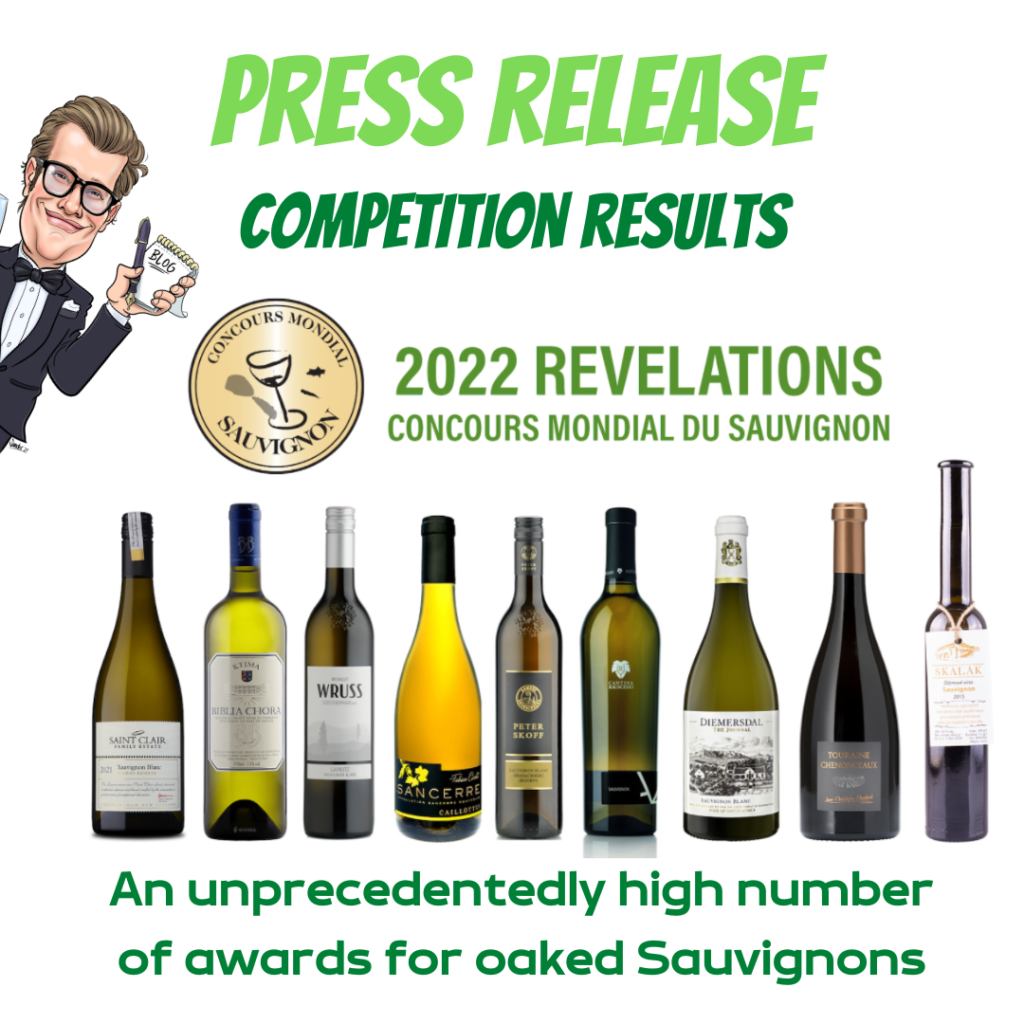
The results of the 2022 Concours Mondial du Sauvignon

An unprecedentedly high number of awards for oaked Sauvignons

1,120 entries from 23 producer countries competed in the 2022 Concours Mondial du Sauvignon – the largest and most significant international competition entirely dedicated to the Sauvignon grape variety. In addition to the Gold and Silver medals, the Concours Mondial du Sauvignon awarded special trophies to entries achieving the highest scores in special categories such as Sauvignon BlendOaked SauvignonSweet Sauvignon and Best Sauvignon in the Competition.

An unprecedentedly high number of oaked wines were entered in the competition this year – 225, or a fifth of total entries. Most of the oaked Sauvignon wines came from Styria and Bordeaux. And they performed extremely well, with 35% of them receiving medals.

In 2022, the top five countries by number of medals are France, Austria, Italy, South Africa, and the Czech Republic.

Over twenty nationalities, including South Africa, Australia and Canada are represented on the tasting panel, thereby guaranteeing the outstanding diversity that sets the Concours Mondial du Sauvignon apart from other wine competitions.

Following the guidelines of the OIV and the International Oenologists’ Organisation, the Concours Mondial du Sauvignon grants accolades to a maximum of 29% of total entries.

To ensure consumers the highest level of satisfaction from the awarded wines, the organizers conduct subsequent checks on award-winning entries after the competition, by comparing a selection of those products with an anonymously bought sample from the same batch.

For the whole press release click here

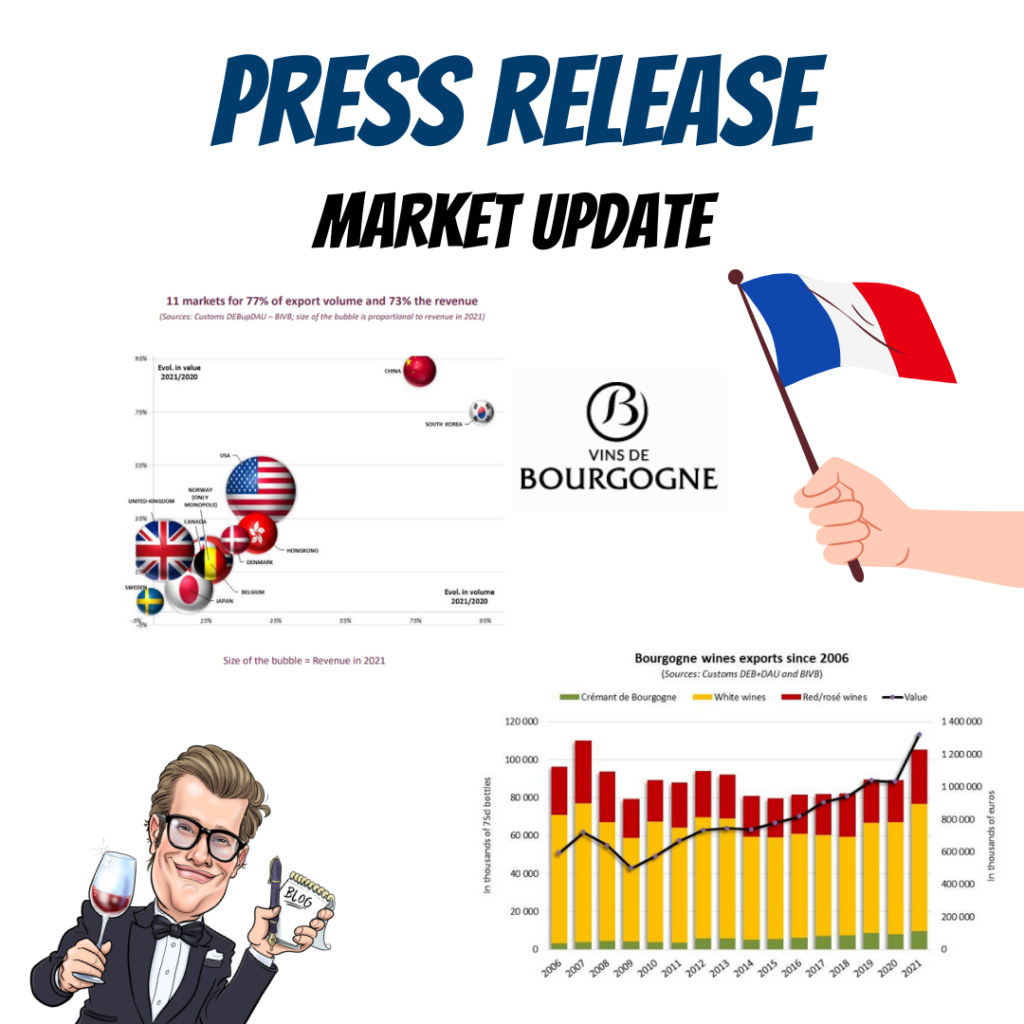
Market Update: The Bourgogne wine sector faces many challenges

Since 2008, Bourgogne wines have seen significant oscillation in yields, yet the average production over the mid-to-long term remains relatively stable. In fewer than five vintages, Bourgogne produced two extremes in terms of volume: The 2018 harvest resulted in full-capacity production, whereas 2021 yielded one of the lowest volumes in the history of the wine region.

The results for 2022 will depend on the ability of the Bourgogne wine sector to supply its markets and
respond to the multiple consumer expectations, not forgetting Covid-19, which comes in waves, and the
consequences of the geopolitical situation and its impact on inflation.

In 2021, volumes of Bourgogne wines exported were up strongly, despite the continuing pandemic. More than 105 million bottles were exported (up 18% over 2020), for record revenue of €1.322 billion (up 28% over 2020). Bourgogne wines are exported to 171 territories, with 10 new destinations.

The 105 million bottles of Bourgogne wines exported in 2021 went mainly to three geographical regions,
which between them accounted for 77% of export volumes and 73% of revenue.

Europe (chiefly United Kingdom, Belgium, Sweden, Denmark and Norway): The most important
region by volume and revenue (35% of export volumes which generated 26% of export revenue).

North America (United States and Canada): The strongest growth in terms of revenue, up 39% over
2020 (up 25% by volume). The region accounted for 28% of export volumes and 25% of revenue.

Asia (Japan, China, Hong Kong, and South Korea): The strongest growth by volume, up 30% over 2020
(up 30% in terms of revenue). The region accounted for 14% export volume and 22% of the revenue.

For the whole press release click here

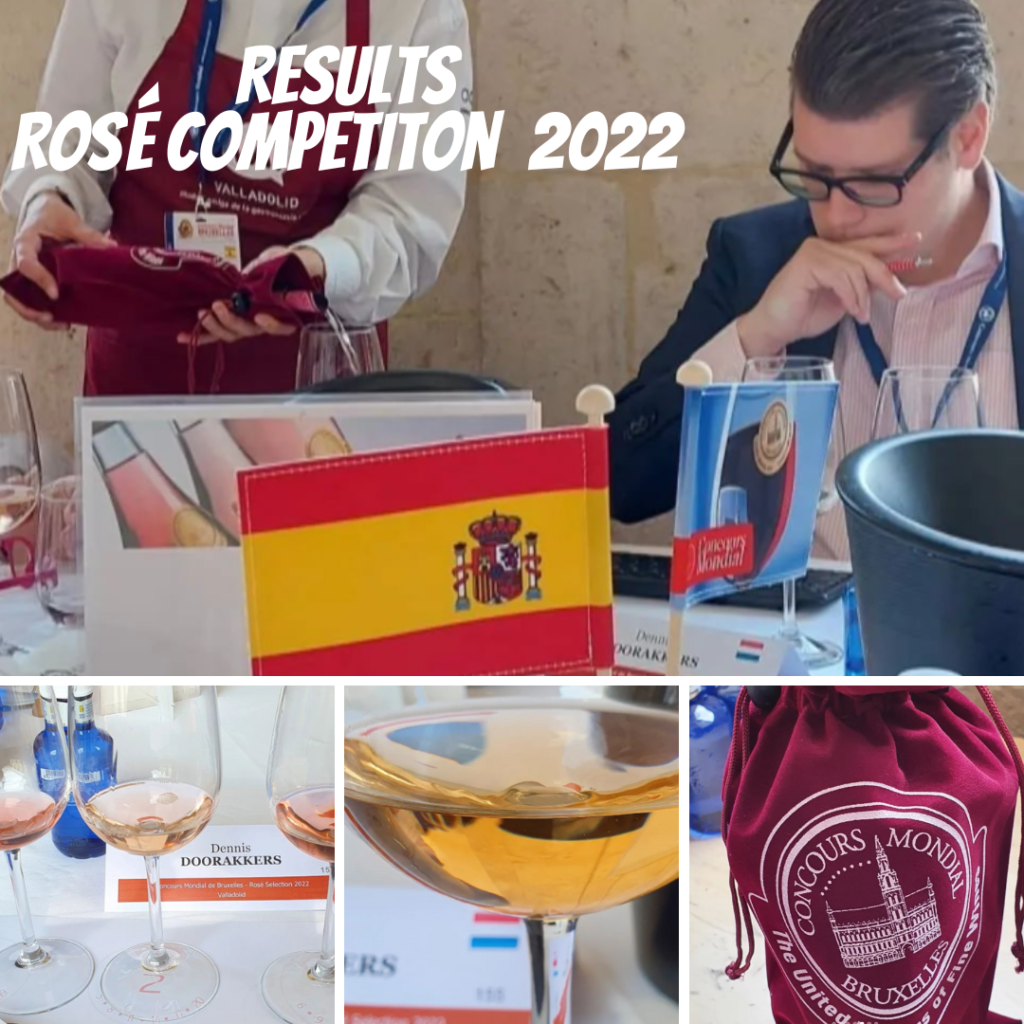
RESULTS Rosé Wine Session 2022

Since 2002 global rosé consumption has risen by nearly 40% and the thirst for rosé wines is expected to continue growing.

By holding the Rosé Wine Session we aim to respond to market needs and growing consumer interest and to give rosé wines the attention they deserve in the international arena”, says Baudouin Havaux president of the Concours Mondial de Bruxelles.

The three countries that dominate rosé wine production in Europe are also those which entered the most wines in the competition this year: France (361), Spain (237) and Italy (230). But among the competing countries are also Australia, South Africa, Mexico, Brazil and even China.

Languedoc-Roussillon is the leading region for the number of entries (105) followed by Provence (98), Castilla-y-León (89), Abruzzo (50) and the Loire Valley (43).

For its host in 2022, the competition has chosen Valladolid, the capital of Castilla y León and home of some of the most famous rosés on the Iberian Peninsula.

The results

Over 1,000 rosé wines from around the globe competed last week in Valladolid for the coveted medals from the prestigious Concours Mondial de Bruxelles. The Rosé Wine Session of the renowned international competition awarded Silver, Gold and Grand Gold medals to rosé wines from 23 countries.

The best dry rosé in the competition comes from France, the best medium-dry from the Czech Republic and the best sparkling rosé is Romanian.

With 106 medals, the world’s biggest rosé producer France leads the way. Italy (69) ranked second with the host country Spain (68) close behind. Portugal and Moldova share fourth place with 23 medals each followed by Romania (13) and Greece (12).

It was great to be a judge there once more and an honor to be chair of my panel!

Full press release click here

Innovation, science & wine!

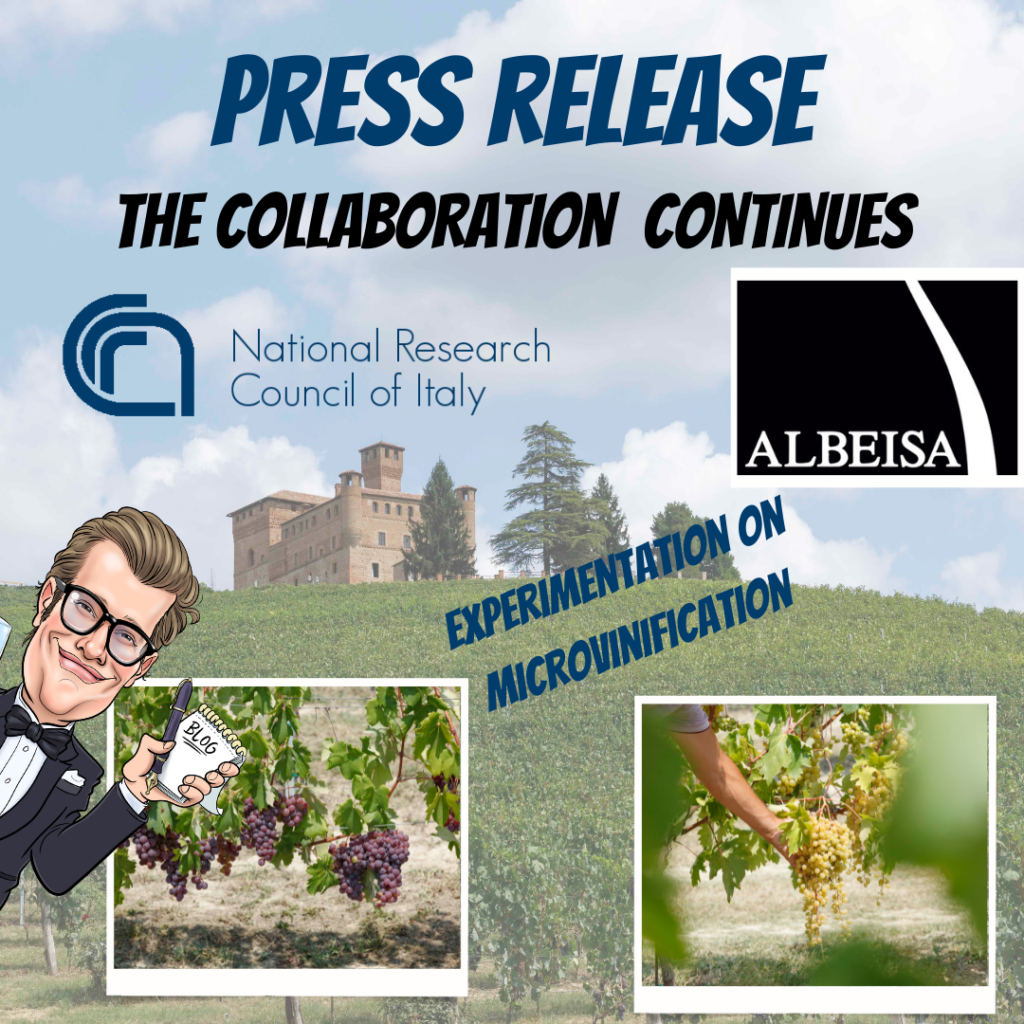
THE COLLABORATION BETWEEN THE ALBEISA CONSORTIUM AND THE GRINZANE CAVOUR AMPELOGRAPHY COLLECTION CONTINUES FOR THE ENHANCEMENT OF RARE VINES

The wines resulting from the experimentation on the microvinification of rare vines were presented to the international press on the occasion of Nebbiolo Prima

Assessing the enological potential and the chemical-physical and sensory characteristics of rare vines found in the area and grown within the collection as well as applying different winemaking techniques to the same vine in order to identify the methods that allow it to best express its potential were the objectives underlying the research project conducted by the researchers at the CNR (the Italian National Research Council), Anna Schneider and Stefano Raimondi, and by Dr. Caudana of the Bonafous experimental winery at the University of Torino; this project was presented on the occasion of Nebbiolo Prima, an international preview event of the new vintages of Barolo, Barbaresco and Roero that have been put on the market, an event promoted by the Albeisa Consortium which was held in Alba from January 27th to 30th.

“An ambitious project of profound scientific interest – says Marina Marcarino, President of Albeisa – which fits into the context of the ever-expanding collaboration between Albeisa and the Grinzane Cavour Ampelography Collection, one of the largest collections of vines that we have the honor of hosting in our territory, and which has precisely the purpose of safeguarding genetic resources that are threatened with disappearance.”

Inside the winery of the Bonafous center, which was designed ad hoc for research, tests have been carried out since 2003 on single-variety vinification of some rare vines present in experimental fields in the Piemonte area. A real laboratory where small quantities of grapes are vinified, usually from 30 to 100 kg, using equipment and techniques similar to those used in large wineries.

“All the vinifications made – explains Alberto Caudanathe person in charge of the project – are subjected to process traceability through an integrated system for data collection and for the management of the flow of vinification. In recent years we have carried out vinifications of whites, vinifications of rosés, vinifications of reds, but also vinifications for partially fermented sweet wines, for sweet passito wines, for sweet wines that were alcohilized and converted into sparkling wines via the classic method. All this work has made it possible to gather extremely valuable information of a biological and genetic nature regarding the cultural characteristics and the enological potential of little-known varieties of vine or innovative technological processes.”

A synergy between the Albeisa Consortium and the Grinzane Cavour Collection which has lasted for years and which sees the reality of the consortium engaged at the forefront in supporting the Collection also through the care of the ancient and rare vines present in this open-air museum as well as through the promotion of the scientific activities that are carried out there.

During the preview, the international press was able to taste the wines resulting from this experimentation, such as the Liseiret 2021 in the sparkling version, the Pignolo Spano 2021 and even a Pignolo Spano 2008 obtained from the a forementioned previous research.

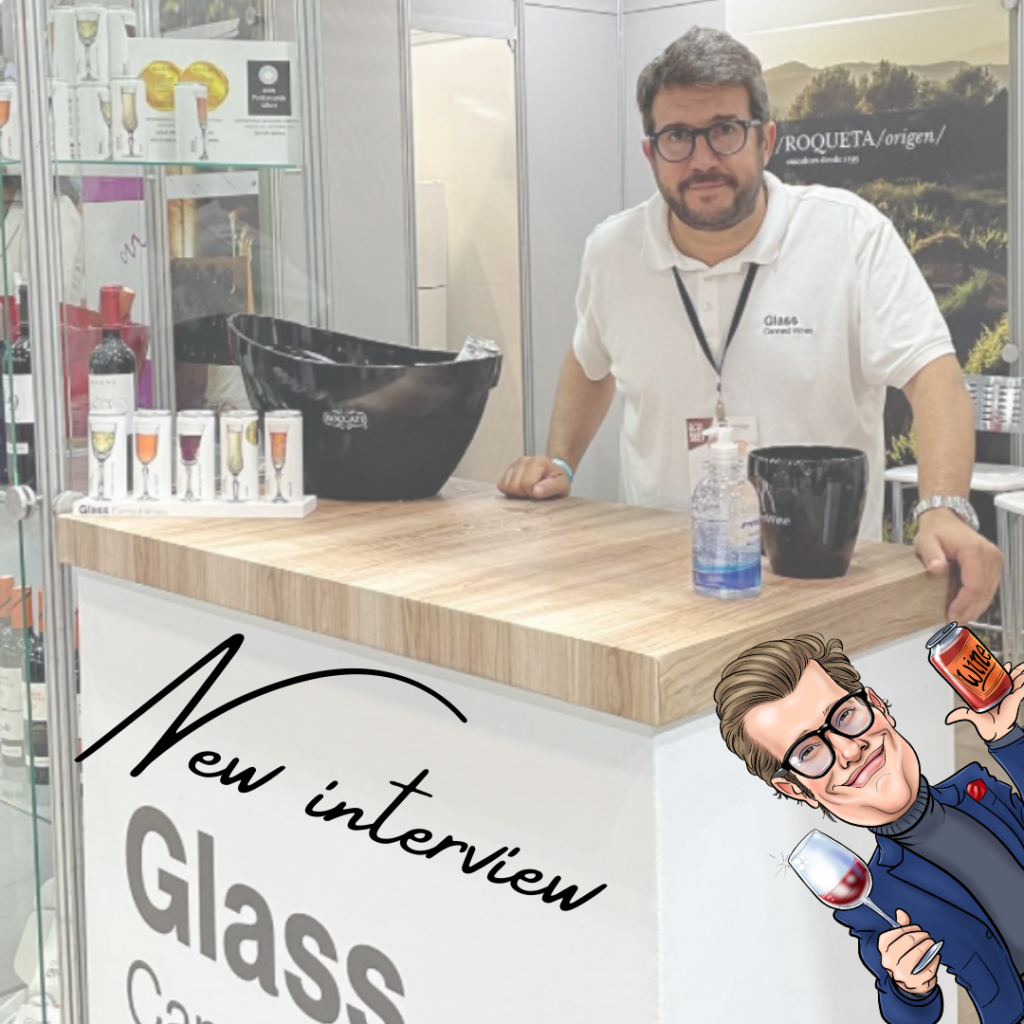
Glass canned wines from Barcelona

With whom do I have the pleasure of speaking?

This is Joan Anton Romero, an enthusiast guy from a small town near Barcelona called SantSadurníd’Anoia, known all over the world to be the cradle of Cava…

Glass quiere popularizar el consumo de vino en lata en Catalunya

What is your background in wine?

As you imagine, my DNA has a lot of wines and cavas on it, like all the children in my hometown when we were young we went to harvest to earn some money for the fun-fair… On my twenties while I’m the University I worked in the production for one of the biggest cavas… And in my late thirties after my Sommelier Master I also worked for a small cava… My last job related with wine was as Marketing&Sales manager of a big PrintingCompany… And after this i begun my adventure!

How would you describe your wine in a can?

My wine in a can are a range of five products, all of them thought under the same philosophy: I want to offer my customers an exquisite product, which I know from the vineyards and I have produced it in a way that everybody who taste it will love it. It’s just what it is, an honest young wine without pretensions, a lovely taste representing all the essence of our territory on every grape what we use.

Puigdemont Roca Create Glass Canned Wines for Aluvinum - World Brand Design  Society

A very nice range of canned wines. The design is done very nice also the name, fantastic! As we go deeper into the discovery of the wines, we find a broad range of flavors and I would say a wine that suits everyone’s needs! I love the Cabernet – Merlot Can. It is very hard to make a nice red from a can, this is well done and convinced when you want just a small portion of wine with your pizza! The other wines are also nice and have their own character from 2 bubbly wine to two uniquely white one!

Why are you in the canned wines industry?

By one side, I have two passions in my life: wines (in all the extension of the word: still, sparkling, etc) and marketing (design, packaging, sales…). This industry for me is the perfect mixt. Imagine that one day you can join your passions and create a way of life, a job… You will do your best because it’s your own life… The things u love! And by another side, for me is hard to understand that in a country like mine, with such a tradition of wineries, people drink more beer than wine. This is because we don’t make enough cathedra of our products, of our terroir, we don’t transmit how we really have to… With humble I’d like to apport my sand grain to this commitment.

Glass Canned Wines on Packaging of the World - Creative Package Design  Gallery

How do you see the future of canned wines?

For me CannedWines are not the future, are the present! A CannedWine is a wine packed in 21st century mindset: recycled, low feet carbon, RTD, mono-doses, always fresh and in perfect conditions… We just have to explain it to people who still don’t know that CW exists, at the end, like happens in beer’s world, the can and the bottle will collaborate to promote wine in the same way.

Home – glasscannedwines

Do you wish to add something to this interview?

I’d like to add that for me is an honor to be interviewed by you, and also to be recognized by two prices in the International Canned Wine Competition with two gold medals in Sparkling White Wine and Packaging. One year and a half ago for me all of this was the best dream ever, and today, after a long way of efforts and work, I am here, talking with you… If you make things with illusion and constancy, you can dream big… And this is only the beginning.

Thanks Joan Anton, the pleasure was all mine!

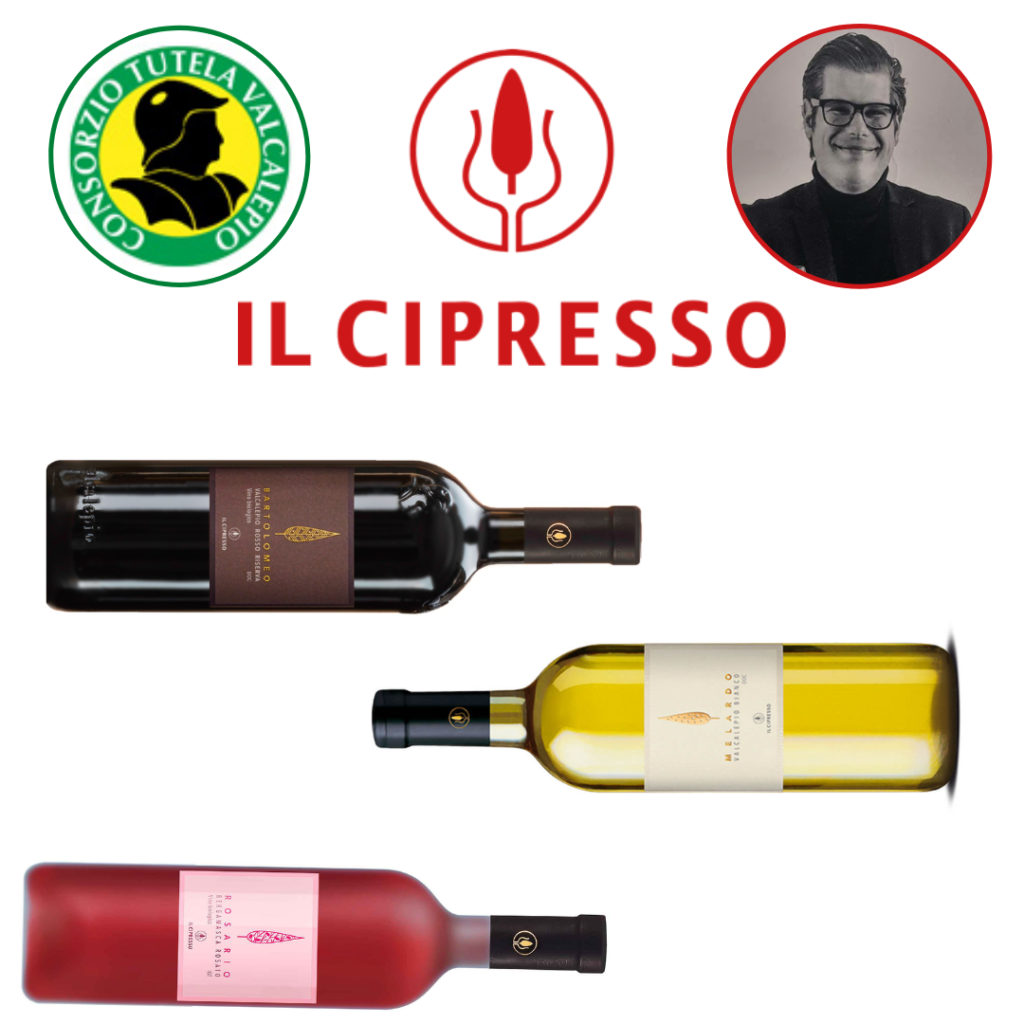
Valcalepio, de wijnen van il Cipresso!

Een hele nieuwe wereld te ontdekken met de wijnen van il Cipresso.

Emozioni dal Mondo Merlot e Cabernet Insieme 2021

Op uitnodiging van Consorzio Tutela Valcalepio was ik in oktober aanwezig als jurylid tijdens de 17e internationale wijncompetitie ‘Emozioni dal Mondo Merlot e Cabernet Insieme’. Enorm trots en vereerd met deze uitnodiging reisde ik af naar Lombardij, om via Milaan in de Bergamo regio terrecht te komen. De competitive bestaan sinds 2004 en heeft de focus op Bordeaux stijl wijnen van Cabernet Sauvignon, Cabernet Franc en Merlot van over de gehele wereld. Zie mijn artikel over de uitslag van de competitie hier.

Valcalepio DOC

In luwte nabij de heuvels van Bergamo, in de regio van Lombardije, ligt een bijzonder wijngebied, de Valcalepio DOC (sinds 1976). Deze regio wordt ook wel ‘de tuin van Bergamo’ genoemd en heeft vanzelfsprekend een enorme binding met de stad. De wijnsoorten in dit gebied zijn gevarieerd en dit productie gebied kent dan ook de additionele benamingen Bianco, Rosso, Riserva en Moscato Passito. In een Bianco wijn moet 55% tot 80% bestaan uit Chardonnay en/of Pinot Bianco, waarbij er aangevuld mag worden met Pinot Grigio. In het geval van de Rosso en Riserva moet de wijn minimaal 25% tot 60% bestaan uit Cabernet Sauvignon en moet worden aangevuld met Merlot. Waarbij he verschil tussen de Rosso (12,5%) en de Riserva (15%) ook nog enkele procenten in alcohol is maar met name de rijping van minimaal 1 jaar, waarvan drie maanden op houten vat.

Consorzio Tutela Valcalepio

In 1976 werd deze belangenorganisatie opgericht met 22 aangesloten wijnbedrijven en had als doel het bewaken en promoten van de Valcalepio DOC. Momenteel heeft het consortium 80 leden welke voor meer dan 80% van de totale productie uit het gebied zorgen. Tegenwoordig bewaakt en promoot Consorzio Tutela Valcalepio niet alleen de DOC Valcalepio maar ook DOC Terre del Colleoni of Colleoni en de IGT Bergamasca. De huidge directeur van Consorzio Tutela Valcalepio is sinds 1995 de oenoloog Sergio Cantoni die Carlo Zadra en Riccardo Guadalupi opvolgde toen hij vanuit Piemonte in Bergamo aankwam. Met zijn heldere visie heef hij van het Consorzio een solide promotie organisatie gemaakt welke op diverse evenementen actief is.

Il Cipresso

Het familie bedrijf is opgericht in 2003 waarna men direct is doorgegaan met het verbeteren en uitbreiden van de wijngaarden. Bij de start waren er 4 hectare en op dit moment 7.5. Om in te spelen op de ontwikkelingen en omdat men overtuigd is van de gedachten in ‘organic wines’ heeft men sinds de oogst van 2018 alle wijnen voorzien van certificering en hiermee zijn alle wijnen 100% biologisch!! Hieronder een impressie van diverse wijnen.

ROSARIO – Bergamasca Rosato | IGT

De betoverende roze kleur is net een tikje donkerder van kleur dan een Provence rosé, logisch als je weet dat de wijn 100% Merlot is. De fermentatie gebeurd onder temperatuur controle in stalen tanks. De geur van deze wijn is schitterend, waarbij je direct een slok wenst te nemen. In een woord fantastisch! Klein, fris rood fruit schiet uit het glas. In de mond is de wijn sappig met aardbeien, frambozen maar wat de wijn bijzonder maakt is het tikje perzik, fenomenaal!

MELARDO – Valcalepio Bianco | DOC

Deze stro gele wijn is gemaakt van Pinot Bianco, Pinot Grigio en Chardonnay. De druiven worden gevinifieerd in stalen tanks om geen smaak verlies te hebben en de primaire aroma’s van de druif volledig tot zijn recht te laten komen.

De neus is intens met tonen van wit en geel fruit. Naast de frisse fruit smaken van peer en appel heeft de wijn ook een aromatisch karakter met een vleugje amandel en volop topisch fruit zoals ananas, meloen en perzik. De zuren zijn goed in balans met het aanwezige fruit en dit zorgt voor een evenwichtige wijn met een mooie body. In de afdronk zit een klein bittertje van grapefruit wat de wijn echt naar een hoger niveau brengt.  

BARTOLOMEO – Valcalepio Rosso Riserva | DOC |

Deze typische ‘Valcalepio’ wijn is uiteraard gemaakt van de druiven Cabernet Sauvignon en Merlot. De wijn kleur mooi robijn rood in het glas en al direct stijgen er geuren op uit het glas van donker rood fruit in combinatie met een vrolijke kruidigheid. Aroma’s van bramen, aalbessen, pruimen, bosfruit worden afgewisseld met een verfijnde kruidigheid van laurier en zoethout. Dit gehele schouwspel gaat samen met mooie zuren en zachte tannines. Door de rijping van tenminste 30 maanden op eiken houten vaten heeft de wijn ook tonen van toast, kruidnagel en vanille.

PRESS RELEASE

The government label on the bottles becomes reality

A system for guaranteeing authenticity, aimed at the protection of producers and consumers of DOC-branded bottles: it is the system of government labels, which from January 1st, 2022 accompanies the DOC Sicilia wines and traces all the phases of each single bottle life. A path that started some time ago by the Consortium for the Protection of DOC Sicilia Wines, which in 2018 had made the decision to introduce the label issued by the Government Mint. 

Moreover, the State label, which is mandatory only for DOCG denominations (in Sicily the Cerasuolo of Vittoria wine) is now the exclusive asset of the most important Italian DOCs: adopting and attaching the alphanumeric code that characterizes the band means being able to control the entire cycle of grape processing, from the vineyard to the bottle. The steadily increasing production of DOC Sicilia branded bottles sold in Europe and throughout the world, increases the risk of counterfeiting and of the improper use of the name of the Denomination on foreign markets. 

The initiative was strongly supported by the Board of Directors of the Consortium for the Protection of DOC Sicilia Wines chaired by Antonio Rallo. «Enhancement, protection and supervision: these are the key words in reference to the activity of the Consosrtium of DOC Sicilia Wines – affirms the President. – And it is precisely with regard to supervision and protection that the introduction of State labels from January 1st, 2022 represents an important innovation that guarantees the traceability of all our bottles life stages. Moreover, if on the one hand, the continuous growth of DOC Sicilia wines number sold in Europe and around the world rewards the work of the island’s wineries, on the other hand, it requires strengthening supervision. The introduction of the labels contrasts in the best possible way any counterfeits and thus it protects both consumers and producers who respect the rules of DOC Sicilia brands.”  

The new system is managed by the Regional Institute of Wine and Oil, a regional public body with the function of control that is recognized by Accredia (the national validation agency). “DOC Sicilia – declares Gaetano Aprilethe director of the Regional Institute of Wine and Oil, – represents almost 86% of the certified bottled products of Sicily and has about 500 bottlers: these numbers give an idea of how the labels management represents a complex challenge, which our institute is ready to take on. In order to meet the needs of the sector, it will not only be necessary to have a large number of labels available, but fast distribution times will also have to be guaranteed”. 

How the label works 

The system of labels guarantees the complete traceability of each bottle thanks to the anti-counterfeiting measures of the State labels. The labels are printed by the Polygraphic Institute and Government Mint using special watermarks and fluorescent inks, visible and invisible elements that certify the authenticity of the product. The system of applying the label when sealing the bottles makes it impossible to reuse them, with the maximum guarantee of veracity. Each special mark has an alphanumeric code containing a progressive identification number that distinguishes each single bottle placed on the market. In addition, each label on the bottles can be read by all smartphones on which the Trust Your Wine App has been previously installed, which can be downloaded for free from the iOS and Android stores.  

𝗥𝗲𝘀𝘂𝗹𝘁𝘀 𝗼𝗳 𝗔𝗙𝗪𝗖’𝘀 𝗔𝗹𝗹 𝗔𝗺𝗲𝗿𝗶𝗰𝗮𝘀 𝗪𝗶𝗻𝗲 𝗖𝗼𝗺𝗽𝗲𝘁𝗶𝘁𝗶𝗼𝗻 𝟮𝟬𝟮𝟮

On January 15th, AFWC’s All Americas Competition was held at Florida International University Chaplin School of Hospitality & Tourism Management with noted judges such as writer Peg San Filippo, sommelier Jenn Schmitt, educator and reviewer Ray Sholes, restaurateur Angelo Romano, writer Sunny Fraser, sommelier/consultant Ervin Machado, and writer/publishers/vintners Sara and Monty Preiser. All spend hundreds of hours every year evaluating wines and chose the varietals below as Best of Class and Best of Show. 

Unfortunately I couldn’t be there, AGAIN, due to high infection rates and the travel restrictions. But the results are no less impressive! What great wines! A deep bow to Shari and the entire team! Job well done!

Below are the results. 

BEST OF SHOW:

  • Sparkling:  N/V Breathless, Late Disgorged Brut, Russian River ($59)
  • White:  2019 Bee Hunter Semillon, Anderson Valley ($42)
  • Red:  2019 Silver Spur, Aglianico Comanche County, Texas ($59)     
  • Dessert:  2019 Ferrante Vidal Blanc, Ice Wine Grand River Valley, Ohio ($30)   

BEST OF CLASS:

  • Cabernet Franc: 2016 The Winery at SF, North Coast ($40)
  • Cabernet Sauvignon: 2018 Ehret Family, Hillside Reserve, Knights Valley ($115)
  • Chardonnay: 2019 Bee Hunter, Anderson Valley ($60)
  • Dessert: 2019 Ferrante Vidal Blanc, Ice Wine Grand River Valley, Ohio ($30)
  • Other White Single Varietal: 2019 Bee Hunter Semillon, Anderson Valley ($42)
  • Other Red Single Varietal: 2019 Silver Spur, Aglianico, Comanche County, Texas ($59)
  • Petite Sirah: 2019 Bricoleur, Redwood Valley, Fountaingrove District, Sonoma ($55)
  • Pinot Noir: 2019 Papapietro Perry, Pommard Clones, Russian River Valley, Runner up, Best of Show ($80) 
  • Red Blend: 2019 Zina Hyde Cunningham, Redwood Valley, Zin & Petite Sirah ($48)
  • Riesling: 2020 Winery at Black Stone Farms, Arcturos, Dry Riesling ($17)
  • Sparkling: N/V Breathless, Late Disgorged Brut, Russian River ($59)
  • Syrah: 2018 VIE, Canihan Vineyard, Sonoma ($45)
  • White Blend: 2018 ONX Estate, Field Day, Paso Robles, SB, Viognier, & Grenache Blanc($20)
  • Zinfandel: 2020 Ehret Family, Knights Valley, Sonoma ($60)

According to Shari Gherman, certified Somm and president of the AFWC, “Panels of independent judges who taste wine, as these people do, are able to arrive at non-biased conclusions that benefit the consumer and the entire industry.” She went on to cite the Texas winner as an example. “Silver Spur is a small winery in a state not known for top wines, but it won Best of Class for “other red single varietal” AND Best of Show Red. You can bet that it would not have won either but for blind tasting.” 

Chief Judge and Judging Coordinator, Greg Miseyko, level 4 WSET, said: “Once again, our judges’ talent and the integrity of our process has turned up another set of brilliant wines for the public to enjoy.  People should order several of these winning wines directly from the wineries, including a few from the unexpected states.  They will impress your friends.”

Judge Monty Preiser said, “Each of these winners is special, and fairly priced. The consumer should run to find them.”

I’m looking forward to the invitational of January 2023 and fingers crossed that we can cross the ocean for a great competition!

Concours International de Lyon of Cheese and Dairy Products

The competition, hold at the Cité internationale, Lyon, gathered professional and enlightened amateur tasters and was supervised by an independent inspector.

Didier Lassagne, Meilleur Ouvrier de France Cheesemonger in 2007, supervised the competition and passed on his know-how as an Honorary President.

The Quality Manager defined strict procedures to protect the health of our tasters and team. All the samples were tasted in conformity with stringent hygiene measurescompetition regulations and our ISO9001 certification.

A total of 757 cheeses and 296 dairy products were judged, 320 products were awarded, including 146 Gold-Medals.

For more info click here

International Bulk Wine Competition 2021- The results!

The 11th IBWC (International Bulk Wine Competition) took place on 21st of November at the RAI Amsterdam, in which 140 samples from twelve countries participated, and the winners were the wines from COMPAGNIA MEDIT. DEL VINO from the IGP Puglia  2021 and from the winery  JUVIAR 2021 de Mendoza (Argentina).

COMPAGNIA MEDIT. DEL VINO is a red wine made with Primitivo; whereas  JUVIAR 2021 is a red wine made with Merlot.  

The IBWC is the world’s only international competition devoted to bulk wines. The wines have been tasted by an international jury composed by 20 jurors coming from 11 different countries. Renowned international purchasers and wine journalists from specialized media formed the jury.

I had the honor and the privilege to join this fantastic team this year for the first time!

Below you will find the winners of the 2021 edition.

 Grand Gold 

  • COMPAGNIA MEDIT. DEL VINO    ITALY       PRIMITIVO 2021 IGP PUGLIA
  • JUVIAR S.A.    ARGENTINA     JUVIAR MERLOT 2021

 Gold

  • ANTIGUA BODEGA    ARGENTINA, MALBEC – CABERNET SAUVIGNON 2020
  • CASAS DE LA RIBERA SC     SPAIN       CABERNET SAUVIGNON 2021
  • BODEGAS YUNTERO    SPAIN      SAUVIGNON BLANC 2021
  • AGROPEC. LA RESERVA    ARGENTINA     BODEGA ARAUJO MALBEC BIO 2021
  • BODEGAS ALTOVELA    SPAIN     ALTOVELA TINTO TEMPRANILLO 2021
  • HISPÁNICA WINES    SPAIN     MERLOT SELECCIÓN 2021
  • HISPÁNICA WINES    SPAIN     BISIESTO TEMPRANILLO 2019
  • BODEGA KINETA    ARGENTINA   BONARDA 2021
  • BODEGAS YUNTERO    SPAIN     CHARDONNAY 2021
  • BODEGAS LA ESTACIÓN S.C.    SPAIN     TEMPRANILLO 2021
  • DE WESTHOF STATE    SOUTH AFRICA     SW BLEND CHARDONNAY 2021
  • GALEANO & ANTONACCI    ARGENTINA   MALBEC SUPER PREMIUM 2021
  • VIÑEDOS PUERTAS LTD    CHILE     PETIT VERDOT 2021
  • JUVIAR S.A.    ARGENTINA     JUVIAR MALBEC 2021
  • HÉCTOR MELI    ARGENTINA   SAN JOSÉ SINGLE VINEYARD MALBEC 2021
  • BODEGAS EL TANINO    SPAIN   EXT10 GARNACHA TINTORERA 2021
  • LOST VALLEY    ARGENTINA   MALBEC 2 – 2021
  • CANTINA SOCIALE DI SAN MARTINO IN RIO    ITALY     ROSSISSIMO – DARK RED WINE ANCELLOTTA 2021
  • CLOP WINES    ARGENTINA    LOS CLOP MALBEC 2021
  • SANS PAREIL ESTATE    AUSTRALIA   KING OF CLUBS CHARDONNAY 2020
  • CASAS DE LA RIBERA SC DE     SPAIN     TEMPRANILLO 2021

Silver

  • WENFOR S.A.    ARGENTINA   MALBEC GRAN RESERVA 2021
  • BODEGAS VINIVAL    SPAIN    FORTIFIED RED WINE MONASTRELL 2019
  • CANTINE COLOMBA BIANCA    ITALY    NERO D’AVOLA BIOLOGICO 2021
  • AVERESTI ESTATES    ROMANIA   SAUVIGNON BLANC 2021
  • CANTINA RAUSCEDO    ITALY    CHARDONNAY 2021
  • BODEGAS BORBORE    ARGENTINA    BULK MALBEC 2021
  • GRUPO PEÑAFLOR S.A.    ARGENTINA   MALBEC PREMIUM 2020
  • BODEGAS LAIREN    SPAIN   3V CABERNET SAUVIGNON 2021
  • CASAS DE LA RIBERA SC DE     SPAIN    SYRAH 2021
  • BODEGAS LA PURÍSIMA    SPAIN     LA PURÍSIMA MONASTRELL / SYRAH 2021
  • VIÑEDOS PUERTAS LTD    CHILE    CABERNET SAUVIGNON RESERVE 2021
  • CA’ DI RAJO/TERRE DI RAI    ITALY    PROSECCO EXTRA DRY CA’ DI RAJO 2020 DOC TREVISO
  • CANTINA CORTECCHIA    ITALY    ALBANA PASSITO 2019 DOCG ROMAGNA
  • CANTINA RAUSCEDO    ITALY    SAUVIGNON BLANC 2021
  • JUVIAR S.A.    ARGENTINA    JUVIAR BONARDA 2021
  • WENFOR S.A.    ARGENTINA    CABERNET SAUVIGNON PLUS 2019
  • AMADEO MARAÑÓN    ARGENTINA    TORRONTÉS 2021

Source: WBWE 2021

Canned wines from Brazil

Canned wines are starting to find there place in the US, the UK, South Africa and on several countries on the European mainland. This time I got some samples from a whole other continent and country, BRAZIL!

With whom do I have the pleasure of speaking?

Lucas Simões, Product and Project Coordinator Ponto Nero Winery.

Thanks Lucas, nice to meet you, what is your background in wine?

I’m Winemaker, Sommelier, Marketing Specialist and Student WSET Level 3.

How would you describe your wine in a can?

Becas Sparkling wines are young and fresh. Its low alcohol content, vibrant acidity and intense aromas are an invitation to an uncomplicated consumption.

Sparkling Joy Blanc Becas, Serra Gaúcha (Gaucho Highlands) – Brazil, Medium Dry Sparkling Wine, 100% Chardonnay 7% ABV 269ml

Pale yellow color. Little sweetness of ripe melons, tropical fruit and some apples and pears. All with a good connection to the acidity in the wine.

Sparkling Fun Rosé Serra Gaúcha (Gaucho Highlands) – Brazil, 98% Glera and 2% Merlot, Medium Dry Sparkling Wine, 7% ABV 269ml

Medium rose in the color, with notes of little red fruit also apples and pears and also a small sweetness at the end. Fresh and sparkling and a unique blend of grapes!

SWEET MOSCATO Serra Gaúcha (Gaucho Highlands) – Brazil, Sweet Sparkling Wine, 100% Muscat, 7% ABV 269ml

Pale yellow color with hints of flowers and fresh and intensely aromatic.

Why are you in the canned wines industry?

Although the use of canned wines is not new at a global level, for the Brazilian market it is an innovative segment that will reach new consumers.

How do you see the future of canned wines?

It is certainly an expanding segment, which provides a more democratic way to consume wines in the most varied moments and styles.

Do you wish to add something to this interview?

The Becas Sparkling brand proposes a fun and informal communication, without sacrificing product quality.

Thanks you Lucas the pleasure was all mine!

Tenuta Casenuove – Traditie, kunst & terroir

Op een hoogte van 400 meter, in het hart van het Chianti gebied, tussen de plaatsen Greve en Radda vinden we, de al in 1600 beschreven, Tenuta Casenuove. Dit wijnbedrijf heeft in 2015 een renovatie ondervonden, waarmee innovatie en historie met elkaar verenigd zijn. Sinds 2018 is men bezig met een ‘organic’ certificering voor de wijngaarden, welke voor de 2022 oogst zal gaan gelden. Ook is er veel aandacht voor kunst, elk jaar wordt een kunstenaar uitgenodigd om van de omgeving rond het wijndomein te genieten en een kunstwerk te maken.

Totem Crystal par Pascale Marthine Tayou

Het Chianti gebied heeft een mediterraan klimaat met hete en droge zomers en koude natte winters. Het heuvelachtige klimaat zorgt voor een prettige expositie ten opzichte van de zon en de balans tussen dag- en nacht temperatuur, wat de rijpheid van de druiven ten goede komt. In de bodem vinden we een mix van klei, zandsteen, kalk en de kenmerkende ‘galestro’, een schists achtige bodem. Het gebied bestaat uit diverse subgebieden zoals Rufina. Ook bestaat er een eigen DOCG genaamd Chianti Classico DOCG. ”l Classico’ kent zijn eigen regels en de wijngaarden liggen op grotere hoogten, wat de rijpheid vertraagd en zorgt voor meer zuren en kruidige aroma’s in de wijn.

In totaal bezit het wijnbedrijf ruim 29 hectaren, verdeeld over de DOCG Chianti Classico & IGT Toscana. Bij dit laatste gebied mogen de druiven in een zeer groot gebied verspreid over Toscane worden geoogst. Op alle wijngaarden staan uitsluitend en alleen rode druiven, namelijk Sangiovese, Merlot, Cabernet Sauvignon, Cabernet Franc en een kleine hoeveelheid Canaiolo. Deze laatste inheemse druif staat steeds meer aangepland in Italië. Het gebruik is met name toegenomen voor wijnen uit Chianti Classico , Vino Nobile di Montepulciano en in enkele lokale wijnen op Sardinie.

Door mijn intresse in Italiaanse wijnen kwam ik in contact met dit wijnhuis en proefde ik de een drietal wijnen uit het Chianti Classico gebied.

Chianti Classico 2016

Deze wijn bestaat uit Sangiovese (80%), Merlot (15%) en Cabernet Sauvignon (5%). Alle druiven worden handmatig geoogst en ondergaan daarna een tweede kwaliteitscontrole, zodat alleen de druiven van de hoogste kwaliteit de wijnmakerij bereiken. De druiven worden los van elkaar tot wijn gemaakt in betonnen tanks, welke geheel van binnen zijn voorzien van epoxy. Dit soort tanks zorgt voor mininale smaak interventie. Om toch een niveau van smaak en kleur te bereiken past men schilcontact toe van ongeveer 30 dagen. Na het maken van de verschillende 3 wijnen worden deze met zeer veel nauwkeurigheid door de wijnmaker Cosimo Casini met elkaar geblend. De blend is opgevoed op eiken houten vaten van 25 hectoliter voor een periode van 6 tot 10 maanden.

Er ontstaat een wijn met een diepe kleurintensiteit. Robijnrood in het glas met geuren van rood fruit en een lichte bloemigheid. Het leeuwendeel Sangiovese zorgt voor de bekende frisse karakter. Deze positieve eigenschap is typisch Sangiovese en zorgt voor mooie hoge zuren in combinatie met stevig tannine maar ook cassis en lichte herfst tonen. De Merlot geeft zoals hij altijd doet fris rood fruit en souplesse mee aan de blend. Vriendelijkheid ten top, wat in deze blend met 15% mooi tot zijn recht komt. Tenslotte zorgt de kleine toevoeging van de Cabernet Sauvignon ervoor dat ook ‘the dark side’ van de wijn de nodige aandacht krijgt. Aroma’s van donkere kersen, sappige bramen en kruidige tonen vormen samen de kern van de wijn. In de afdronk ook de nodige aangename zuren en tannine.

Chianti Classico 2017

Op het eerste gezicht lijkt deze wijn op de jaargang van 2016. De samenstelling is hetzelfde namelijk Sangiovese (80%), Merlot (15%) en Cabernet Sauvignon (5%). De wijn heeft meer compacter fruit dan de 2016 jaargang, de tannine zijn iets minder geïntegreerd met de zuren en het fruit. De wijn geurt en smaakt naar zure kersen, bramen, rode bessen en heeft ook aroma’s van drop, laurier en specerijen. Een jaartje ouderen zal deze wijn goed doen, de afdronk is mooi maar ook hier mist het nog de complexiteit van de 2016 jaargang. Nog even geduld dus!  

 Chianti Classico Reserva 2017

Ook deze Chianti Classico is een blend van Sangiovese (85%), Merlot (12%) en Cabernet Sauvignon (3%). De trossen worden volledig met de hand geoogst en doorlopen ook een dubbel selectieproces. Ook hier worden de verschillende druiven variëteiten lis van elkaar tot wijn vermaakt. De wijn rijpt op nieuwe houten vaten van gedurende 12 maanden. en daarna nog eens 12 maanden op fles. De wijn is diep rood van kleur en geurt eindeloos naar rijp fruit, zowel rood als zwart. In de smaak ontstaat er een explosie aan fruit en pittige aroma’s. Kenmerkende zure kersen, pruimen, aalbes en braam afgewisseld met zoethout, leer, zelf een tikje balsamico en een klein pepertje maken onderdeel uit van dit bijzonder uitgebreide pallet aan smaken. Een hoge smaakconcentratie en veel diepgang zorgen voor een complexe wijn met een lange afdronk. Het rijpe fruit is zeer goed in balans met de kruidige aroma’s en de zuren.

Vue Tenuta Casenuove depuis le ciel

IGT Tuscany 2016

Deze IGT is een blend van 60% Sangiovese en 40% Merlot, waarbij de wijngaarden op een zuid-zuid/westelijke expositie staan ten opzichte van de zon. De wijnranken zijn gemiddeld 20 jaar oud en worden biologisch geteeld. Ook hier gebruikt men betonen vaten voor vinificatie, waarbij men tijdens het proces regelmatig diverse smaak en kleur extractie methodes gebruikt. Denk hierbij aan onderdompelen van ‘de hoed’, de massa van vruchtvlees en schillen welke naar de oppervlakte van de tank komt. Of het oversteken van het gistende sap van de ene naar de andere tank, om zo de massa weer te voorzien van het teruggepompte sap. Allemaal voor meer smaak en kleur en ook zorgt dit voor verlies van warmte tijdens het vinificatie proces.

De wijn wordt na vinificatie 12 maanden wisselend in grote en kleine eikenhouten vaten opgevoed. De manier van wijn maken en het opvoeden in eikenhout  zorgt voor een zachte wijn met veel smaak en kleur. Volop rood en zwart fruit met een buitengewone complexiteit. De aroma’s in de kern zijn bosbessen, kersen, pruimen. Echter beleef je bij iedere slok een spannend schouwspel met de bijzondere tonen van mineraliteit , chocolade, leer, laurier en het subtiele toontje vanille. Het geheel is goed verpakt en ook hier zorgt de hoge zuurgraad van de Sangiovese ervoor dat alles goed in balans blijft met elkaar.

Mijn conclusie? Mooie typerende wijnen uit de authentieke Chianti streek, bestaand uit een mooie blend van traditionele en internationale druivenrassen. Cheers!

Backyard Urban Canned SPRITZER

With whom do I have the pleasure of speaking?

James Bailey Smith, I’m a cameraman documentary filmmaker and winemaker. Located in Bristol City Centre in the UK.

Nice to meet you James and very interesting….a cameraman and filmmaker…. so what is your background in wine?

Well I’ve been doing my camera and film work for 15 years but I decided to get into the wine industry because I got hold of a lot moment. So in the UK, we have small Parcels of land called allotments where people can grow like fruits and vegetables. And I’m very fortunate to have one outside the back of my house. And so I when I moved to this house, it, I got the allotment and I decided for the first thing I would do is plant a small vineyard with the eye. Idea of making my own wine which I have been doing now for three years and I just fell in love with wine making and I wanted to work out how I could get into the industry started researching some ideas and realize that I well discovered that canned wine was becoming popular in America and so I decided to set up a English canned wine company. So basically I’m a winemaker small scale, Back Garden, Vineyard allotments. I don’t have a background in wine other than drinking it, which I guess is the same for a lot of people but in terms of like the wine industry I have been making my own wine and that’s kind of what got me interested purely through making my own wine called NANIA’S.

That is so cool! Backyard wine from a filmmakers, this story gets better and better! How would you describe your wine in a can?

Okay, so we just have one product at the moment. It is a English Rose, a spritzer. So we made a very, very fruit forward base wine from a great called rot, the Rondo great which grows very well in the UK. It’s a hybrid grape that also is used in The Netherlands!. So it’s much better for our climates which is all we are on the margins of what is possible.

Be a small sort of disruptive brand in this space

So it’s five and a half percent and it’s bursting with summer fruit notes. So we’ve got loads of raspberries in there also great amount of strawberry, it is really delicious easy going drink. It’s not a pretentious is an uncomplicated wine, but it does have some complexity because we’ve we’ve added a small amount of a raspberry shrub.

So a shrub is a kind of cordial, but it’s not really a cordial. It’s it’s a way of preserving freedom. So Sailors used to have a shrub on their sailing ship so they would get their vitamin C on the long voyages across the Atlantic.

And so I have put a small amount of raspberry shrub into the mix in the spritzer to give it a little bit more complexity and a shrub is made of vinegar which is one of the things that preserves it. There is a very tiny amount of this raspberry shrub in the mix, which adds somebody and some complexity to the whole drink. It’s a deliciously refreshing summer spritzer!

Why are you in the canned wine industry?

Why would you not want to buy quality wines in a smaller format? I mean, it just makes complete sense. You know, if I open a bottle of wine on a Monday night or Tuesday with dinner the Temptation and often what happens is that you’d finish the whole lot or you might drink it on Wednesday. And, you know, we all know we shouldn’t be drinking so much. So it’s much better for portion control. And I think that the public will realize that very soon and can wine will be a very good it proposition.

Well, the wine industry bottles are the past, the cans of the future.

That’s why I’ve decided to go with can whine and I guess the other thing is; who am I to go up against this ancient industry of wine trading, and just do what everyone else is doing and put my wine in a bottle? That sounds to me like really hard work, why would you want to set up a company doing exactly the same as everyone else has been doing for so long? So for me can wine made more sense because it’s a new thing and exciting thing and something that I can get behind and be a small sort of disruptive brand in this space, everyone’s doing bottles and wine. Why would I do that? That’s kind of how I feel.

You sound like an innovative entrepreneur with a Millennial perspective on life, just what the world of canned wines needs! But how do you see the future of canned wines?

What I predict that will happen is that you will go into shops and supermarkets in a two or three years time and there will be a fridge full of canned wine with varieties from all over the world. And there will be a distinct section within one shot. They’ll be a range of qualities and prices. It will broadly, speaking will reflect the rest of the wine world. I also think there will be more interesting wines in the canned wine fridge in every shop.

The future? A fridge full of canned wine with varieties from all over the world